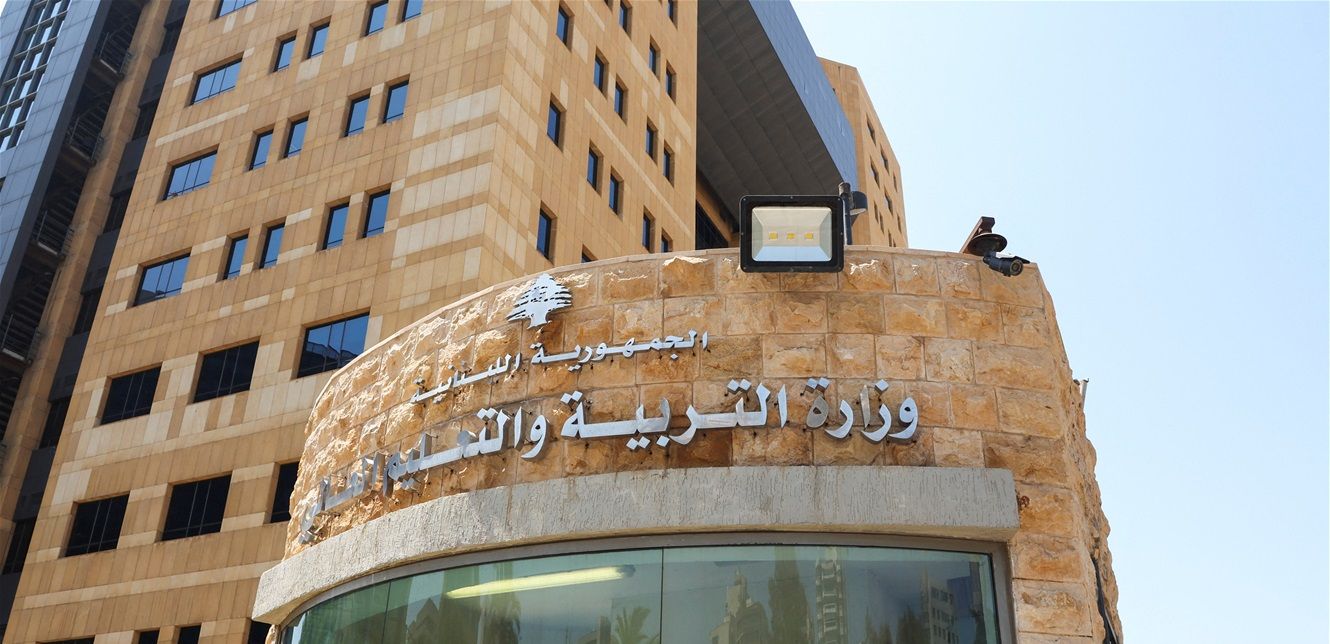
قرارات جديدة حول الامتحانات الرسمية
أعلنت وزيرة التربية، ريما كرامي، سلسلة إجراءات تتعلّق بالامتحانات الرسمية لهذا العام، أبرزها إلغاء امتحانات الشهادة المتوسطة وفتح ثلاث دورات لامتحانات الثانوية العامة بفروعها المختلفة. وجاء الإعلان خلال مؤتمر صحافي، من دون عرض الملف مسبقاً على مجلس الوزراء.
وعقب انتهاء المؤتمر مباشرةً، بدأت وزارة التربية بتنفيذ الإجراءات العملية، حيث أرسلت تعميماً إلى المدارس الرسمية والخاصة طلبت فيه من الطلاب اختيار الدورة التي يرغبون في التقدّم إليها، إضافة إلى تحديد المنطقة الجغرافية الأقرب إلى مكان سكنهم، على أن تُستكمل هذه الإجراءات قبل الأول من حزيران المقبل.
اعتراضات قانونية على آلية اتخاذ القرار
أثارت هذه الخطوات نقاشاً قانونياً واسعاً حول مدى قانونية القرارات المتخذة، خصوصاً في ما يتعلق بحدود صلاحيات وزارة التربية. وترى مصادر قانونية مطّلعة أن أي قرار إداري مرتبط بالامتحانات الرسمية يجب أن يلتزم بالنصوص القانونية النافذة، حفاظاً على مبدأ الشرعية الإدارية.
وبحسب هذه المصادر، فإن المرسومين رقم 5697 و5698 الصادرين عام 2001 حدّدا بشكل واضح كيفية تنظيم دورات الامتحانات الرسمية. إذ منح أحد المرسومين مجلس الوزراء صلاحية إقرار الدورة الاستثنائية الثانية، فيما سمح المرسوم الآخر لوزير التربية بممارسة هذه الصلاحية ضمن شروط محددة، أبرزها اقتراح المدير العام للتربية وأخذ رأي المركز التربوي للبحوث والإنماء.
إشكالية فتح دورة ثالثة
تعتبر المصادر نفسها أن التفويض الممنوح لوزير التربية يقتصر فقط على تنظيم دورة ثانية استثنائية، ولا يشمل إطلاق دورة ثالثة، حتى في ظل الظروف الاستثنائية. وتشير إلى أن توسيع هذا التفويض يُعدّ تجاوزاً للنصوص القانونية، لأن الدورة الثانية بحد ذاتها تُعتبر استثناءً على النظام الأساسي، وبالتالي لا يجوز البناء على هذا الاستثناء لإضافة استثناء جديد.
كما توضح أن مبدأ الظروف الاستثنائية لا يمنح الإدارة حق نقل الصلاحيات أو تعديلها، بل يسمح فقط بهامش معيّن من التحرّك ضمن الحدود القانونية القائمة. ومن هذا المنطلق، ترى المصادر أن استحداث دورة ثالثة يحتاج إلى قرار واضح من مجلس الوزراء باعتباره الجهة المخوّلة قانوناً اتخاذ مثل هذا القرار.
الجدل حول إلغاء امتحانات البريفيه
لم يقتصر النقاش القانوني على مسألة الدورات الثلاث، بل شمل أيضاً قرار إلغاء امتحانات الشهادة المتوسطة. إذ تعتبر المصادر أن هذا النوع من القرارات الأساسية يُفترض أن يصدر بموجب مرسوم أو قرار رسمي عن مجلس الوزراء، لا أن يُعلن فقط خلال مؤتمر صحافي.
وترى أن الظروف الاستثنائية، مهما كانت، لا تُلغي ضرورة الالتزام بالأصول القانونية والإدارية المعتمدة في إدارة الامتحانات الرسمية.
عدد الدورات والتنظيم الإداري
وفي مواجهة الطرح القائل إن الطالب لن يشارك فعلياً إلا في دورتين فقط، توضح المصادر أن المشكلة الأساسية لا ترتبط بعدد المشاركات الفردية للطلاب، بل بعدد الدورات التي تنظّمها الوزارة رسمياً.
وتشير إلى أن تنظيم ثلاث دورات يطرح تساؤلات قانونية مرتبطة بتوسيع حدود التفويض الإداري، إضافة إلى ما قد يسببه ذلك من أعباء مالية وإدارية إضافية على الدولة والوزارة.
التخوّف من خلق سوابق إدارية
تؤكد المصادر القانونية أن الهدف من الاعتراض ليس تعطيل الامتحانات أو زيادة الضغوط على الطلاب، بل منع تكريس سوابق إدارية قد تؤدي مستقبلاً إلى تجاوز الصلاحيات المحددة بالقوانين.
كما تشدد على أن أي تدبير استثنائي يجب أن يمر عبر المرجع المختص، أي مجلس الوزراء، حفاظاً على مبدأ المشروعية وعلى استقرار النظام التربوي في البلاد.
New Decisions Regarding Official Examinations
The Minister of Education, Rima Karami, announced a series of measures concerning this year’s official examinations. The most notable decisions included canceling the intermediate certificate exams (“Brevet”) and opening three examination sessions for the secondary school certificate across its various branches. The announcement was made during a press conference, without the file first being presented to the Council of Ministers.
Immediately after the conference ended, the Ministry of Education began implementing the measures in practice. It sent a circular to both public and private schools requesting students to choose the examination session in which they wished to participate, as well as the geographic area closest to their residence. These procedures are to be completed before the first of June.
Legal Objections to the Decision-Making Process
These steps sparked broad legal debate regarding the legality of the decisions taken, especially concerning the limits of the Ministry of Education’s authority. Legal sources familiar with the matter argue that any administrative decision related to official examinations must comply with the applicable legal texts in order to preserve the principle of administrative legality.
According to these sources, Decrees No. 5697 and 5698, issued in 2001, clearly defined how official examination sessions should be organized. One decree granted the Council of Ministers the authority to approve the second exceptional session, while the other allowed the Minister of Education to exercise this authority under specific conditions, most notably upon the proposal of the Director General of Education and after consulting the Educational Center for Research and Development.
The Issue of Opening a Third Session
The same sources consider that the authority delegated to the Minister of Education is limited solely to organizing a second exceptional session and does not include launching a third session, even under exceptional circumstances. They argue that expanding this delegation constitutes تجاوزاً للنصوص القانونية because the second session itself is already considered an exception to the basic system, and therefore it is not permissible to build another exception upon it.
They further explain that the principle of exceptional circumstances does not grant the administration the right to transfer or alter powers, but merely allows a certain degree of flexibility within the existing legal framework. From this perspective, they believe that creating a third examination session requires a clear decision from the Council of Ministers, as it is the legally authorized body to make such a decision.
The Debate Over Canceling the Brevet Exams
The legal debate was not limited to the issue of the three examination sessions; it also extended to the decision to cancel the intermediate certificate exams. According to the sources, this type of fundamental decision is supposed to be issued through an official decree or decision by the Council of Ministers, rather than merely being announced during a press conference.
They maintain that exceptional circumstances, regardless of their nature, do not eliminate the necessity of adhering to the established legal and administrative procedures governing official examinations.
Number of Sessions and Administrative Organization
In response to the argument that each student would actually participate in only two sessions, the sources clarify that the core issue is not the number of individual attempts by students, but rather the number of sessions officially organized by the ministry.
They point out that organizing three sessions raises legal questions related to expanding the limits of administrative delegation, in addition to the potential financial and administrative burdens this could impose on the state and the ministry.
Concerns About Creating Administrative Precedents
The legal sources emphasize that the goal of these objections is not to obstruct the examinations or increase pressure on students, but rather to prevent the establishment of administrative precedents that could, in the future, lead to تجاوز الصلاحيات المحددة بالقوانين.
They also stress that any exceptional measure must pass through the competent authority — namely the Council of Ministers — in order to preserve the principle of legality and maintain the stability of the educational system in the country.