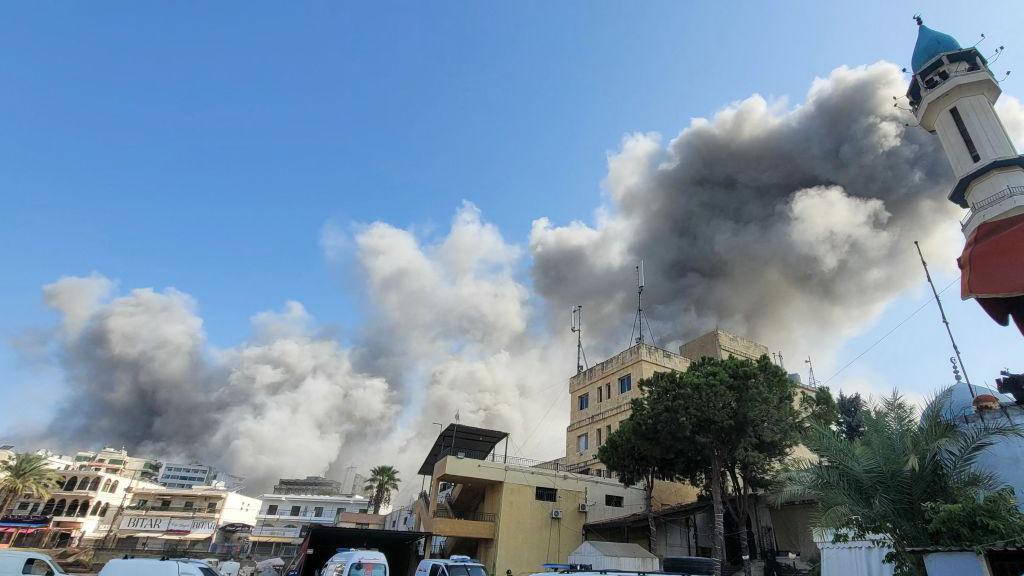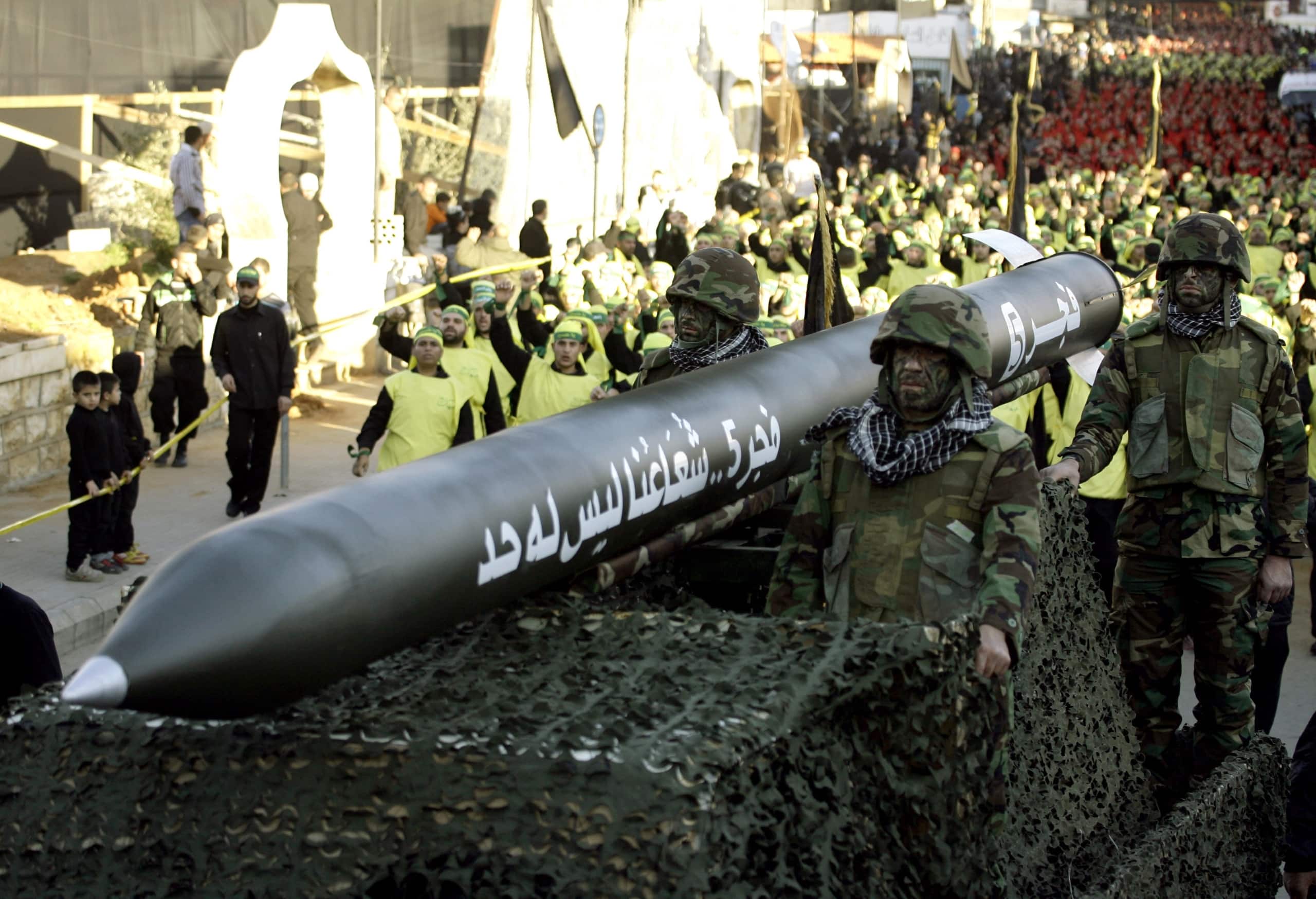
في ظل التصعيد المستمر والتطورات الميدانية الأخيرة، برزت قضية تدمير عدد كبير من الدبابات الإسرائيلية كأحد أبرز الأحداث التي يتم تداولها على نطاق واسع. فقد أعلنت المقاومة عن تدمير 86 دبابة إسرائيلية، وهو رقم لافت يعكس حجم المواجهة وشدتها. ورغم انتشار هذه الأخبار عبر قنوات متعددة، لا يزال جزء من اللبنانيين يشكك في صحتها، متذرعًا بعدم وجود تغطية مرئية كافية أو تقارير موثقة من وجهة نظره.
هذا التشكيك لا يمكن فصله عن حالة الانقسام الداخلي، حيث يبدو أن البعض يتعامل مع هذه الأخبار من منطلق عاطفي أو سياسي أكثر منه موضوعي. فبدلًا من تقييم المعطيات كما هي، يتم رفضها بشكل مسبق، وكأن الاعتراف بها يتعارض مع مواقفهم الشخصية أو قناعاتهم المسبقة.
وعند المقارنة بما حدث خلال حرب الأيام الـ12، يتضح التناقض في طريقة التعاطي مع الأخبار. حينها، انتشرت معلومات غير مؤكدة عن إسقاط أربع طائرات إسرائيلية، لكنها لم تصدر عن أي جهة رسمية، بل تداولتها حسابات عشوائية على وسائل التواصل الاجتماعي. وقد سارعت الجهات الإسرائيلية الرسمية إلى نفي تلك الادعاءات بشكل واضح وصريح، ما ساهم في تقويض مصداقيتها.
أما اليوم، فالوضع مختلف. الحديث عن تدمير الدبابات لا يقتصر على مصادر غير موثوقة، بل يتم تداوله عبر قنوات إعلامية متعددة، بما في ذلك منصات رسمية. والأهم من ذلك، أن الجانب الإسرائيلي لم يصدر نفيًا واضحًا كما حدث سابقًا، وهو ما يطرح تساؤلات مشروعة حول أسباب هذا الصمت.
ورغم ذلك، يصر بعض المشككين على رفض هذه المعطيات، متجاهلين السياق العام واختلاف الظروف بين الحالتين. هذا الرفض لا يبدو قائمًا على تحليل موضوعي بقدر ما يعكس حالة من الرفض النفسي أو السياسي للاعتراف بأي إنجاز يُنسب إلى المقاومة.
المطلوب اليوم هو قراءة الأحداث بعين نقدية متوازنة، بعيدًا عن التحيز والانفعال، للوصول إلى تقييم أكثر دقة وموضوعية لما يجري على الأرض.
Amid ongoing escalation and recent field developments, the reported destruction of a large number of Israeli tanks has emerged as one of the most widely discussed issues. The resistance has announced the destruction of 86 Israeli tanks—a notable figure reflecting the scale and intensity of the confrontation. Despite the spread of this information across multiple channels, a segment of Lebanese society continues to question its accuracy, citing a lack of sufficient visual coverage or documented reports.
This skepticism cannot be separated from the internal divisions, as some appear to approach such news from an emotional or political standpoint rather than an objective one. Instead of assessing the information on its merits, it is dismissed outright, as if acknowledging it would contradict personal beliefs or prior positions.
A comparison with the events of the 12-day war highlights the inconsistency in how such reports are treated. At that time, unverified claims about downing four Israeli aircraft circulated widely, yet they did not originate from any official source, but rather from random social media accounts. Israeli authorities quickly issued clear denials, undermining the credibility of those claims.
Today, however, the situation differs. Reports about tank destruction are not confined to unreliable sources but are being circulated by multiple media outlets, including official platforms. More notably, the Israeli side has not issued a clear denial as it did previously, raising legitimate questions about this silence.
Despite this, some skeptics continue to reject these claims, disregarding the broader context and differences between the two cases. This rejection appears less rooted in objective analysis and more reflective of a psychological or political unwillingness to acknowledge any achievement attributed to the resistance.
What is needed today is a balanced and critical reading of events, free from bias and emotional reactions, to arrive at a more accurate and objective understanding of what is happening on the ground.