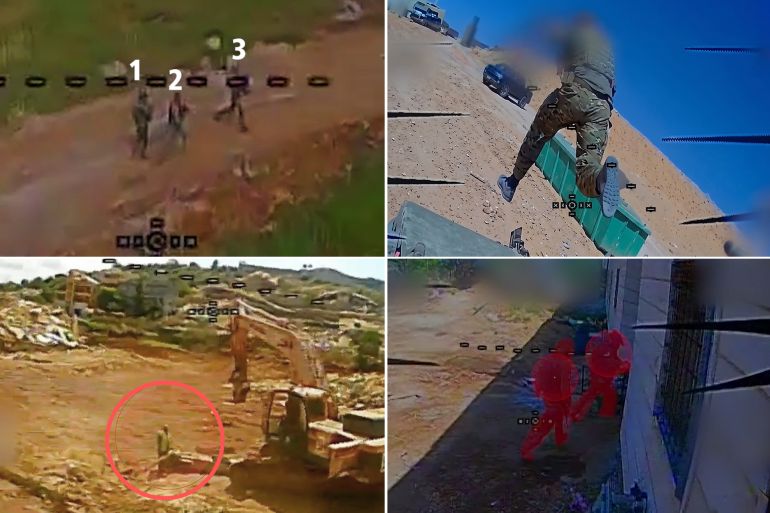
لا تزال المسيّرات المتفجرة التابعة لحزب الله تشكّل أحد أكثر التحديات تعقيداً أمام الجيش الإسرائيلي، في ظل إقرار متزايد داخل إسرائيل بصعوبة التعامل معها ميدانياً، رغم التفوق التكنولوجي والعسكري الذي تتحدث عنه تل أبيب.
وفي هذا السياق، كشفت القناة 12 الإسرائيلية أن الجيش يستعد لاحتمال توسيع عملياته البرية داخل لبنان، بانتظار قرار من المستوى السياسي، وذلك بسبب ما وصفته المؤسسة العسكرية بـ«التهديد الكبير» الذي تمثله المسيّرات على القوات الإسرائيلية المنتشرة في جنوب لبنان.
وخلال الأسابيع الأخيرة، أعلن الجيش الإسرائيلي بشكل شبه يومي وقوع إصابات في صفوف جنوده نتيجة هجمات نفذتها مسيّرات تابعة لحزب الله، بالتزامن مع عمليات التوغّل ونسف المباني داخل البلدات الجنوبية.
ورغم الإجراءات الأمنية والتقنيات الدفاعية المستخدمة، أقرت إذاعة الجيش الإسرائيلي بنجاح إحدى المسيّرات في استهداف بطارية تابعة لمنظومة «القبة الحديدية»، في تطور اعتُبر لافتاً داخل الأوساط العسكرية الإسرائيلية.
100 مشغّل للمسيّرات
وبحسب تقديرات الجيش الإسرائيلي، فإن حزب الله يمتلك نحو 100 عنصر متخصص في تشغيل المسيّرات المتفجرة، مشيراً إلى أن عدداً محدوداً منهم فقط قُتل خلال العمليات الأخيرة.
وأوضحت إذاعة الجيش أن تشغيل المسيّرات المزودة بتقنية الألياف الضوئية يُعد عملية معقدة تحتاج إلى تدريبات خاصة، لافتة إلى أن معظم المشغّلين تلقوا تدريباتهم خلال فترة وقف إطلاق النار السابقة بين أواخر 2024 وآذار 2026.
ونقلت الإذاعة عن ضابط إسرائيلي رفيع قوله إن استهداف هؤلاء المشغّلين بات أولوية استخبارية وعملية، مع اعترافه بأن النتائج المحققة حتى الآن «غير كافية»، وأن حزب الله يواصل تدريب عناصر إضافيين.
كما أشارت التقديرات الإسرائيلية إلى أن معظم عمليات تشغيل المسيّرات تتم من مناطق تقع جنوب نهر الليطاني، خارج ما يُعرف بـ«الخط الأصفر»، مستفيدة من تقنيات تعتمد على الألياف الضوئية بدلاً من إشارات الراديو التقليدية، ما يجعل رصدها أو التشويش عليها أكثر صعوبة.
مسيّرات يصعب رصدها
وتعتمد هذه المسيّرات على خيط ألياف ضوئية رفيع ينفلت تدريجياً أثناء الطيران، ما يسمح بنقل الصور والأوامر بشكل مباشر، من دون الحاجة إلى موجات لاسلكية أو نظام GPS، وهو ما يمنحها قدرة أكبر على التخفّي وتجاوز أنظمة التشويش.
وبحسب خبراء عسكريين، فإن هذه التقنيات تمنح المشغّلين قدرة على تعديل مسار المسيّرة أو إيقافها مؤقتاً وتغيير هدفها أثناء التحليق، بفضل الكاميرات الدقيقة التي تحملها.
«حزب الله ينتظر المواجهة»
في المقابل، رأى الخبير العسكري العميد حسن جوني أن أي توسيع إسرائيلي للعمليات البرية سيجعل الوضع أكثر تعقيداً بالنسبة للجيش الإسرائيلي، معتبراً أن تل أبيب تحاول الوصول إلى المشغّلين بعد عجزها عن إسقاط المسيّرات بعد إطلاقها.
وأشار إلى أن المواجهة البرية تبقى نقطة قوة لعناصر حزب الله الذين يعرفون جغرافية الجنوب جيداً، في وقت يفضّل فيه الجيش الإسرائيلي الاعتماد على القوة الجوية لتجنب الاحتكاك المباشر.
واعتبر جوني أن استهداف منصة «القبة الحديدية» قرب جل العلام يُعد تطوراً مهماً، لأن المنصة كانت مخصصة لحماية العمق الإسرائيلي، ما يعني أن «الجهة المكلفة بالحماية أصبحت نفسها هدفاً مباشراً».
تطوير مستمر
وتعتقد إسرائيل أن حزب الله استغل فترة وقف إطلاق النار الماضية لتطوير قدراته في مجال المسيّرات، سواء عبر شراء وتجميع طائرات جديدة أو عبر توسيع برامج التدريب.
كما تشير التقديرات الإسرائيلية إلى أن مشغّلي المسيّرات لا يتبعون وحدة واحدة داخل الحزب، بل يتوزعون ضمن وحدات جغرافية مختلفة في الجنوب، ما يزيد من صعوبة تعقبهم أو استهدافهم.
ويأتي ذلك في ظل استمرار التصعيد العسكري على الجبهة اللبنانية، حيث تواصل إسرائيل غاراتها وقصفها المدفعي وعمليات نسف المنازل، رغم سريان اتفاق وقف إطلاق النار الهش منذ نيسان الماضي.
Hezbollah’s explosive drones continue to represent one of the most complex challenges facing the Israeli army, amid growing acknowledgment inside Israel of the difficulty in confronting them on the battlefield despite Tel Aviv’s claimed technological and military superiority.
In this context, Israel’s Channel 12 revealed that the army is preparing for the possibility of expanding its ground operations inside Lebanon, pending a political decision, due to what the military establishment described as the “major threat” posed by drones to Israeli forces deployed in southern Lebanon.
Over recent weeks, the Israeli army has announced almost daily casualties among its soldiers resulting from Hezbollah drone attacks, coinciding with incursions and demolition operations inside southern villages.
Despite security measures and defensive technologies, Israeli Army Radio acknowledged that one drone successfully struck a battery belonging to the Iron Dome system, in what was described as a significant development within Israeli military circles.
100 drone operators
According to Israeli military estimates, Hezbollah possesses around 100 specialized operators of explosive drones, noting that only a limited number of them have been killed during recent operations.
Israeli Army Radio explained that operating drones equipped with fiber-optic technology is a complex process requiring special training, adding that most operators received training during the previous ceasefire period between late 2024 and March 2026.
The station quoted a senior Israeli officer saying that targeting these operators has become an intelligence and operational priority, while admitting that the results achieved so far are “insufficient” and that Hezbollah continues training additional personnel.
Israeli assessments also indicate that most drone operations are launched from areas south of the Litani River, beyond the so-called “yellow line,” using fiber-optic systems instead of conventional radio signals, making detection and jamming far more difficult.
Drones difficult to detect
These drones rely on a thin fiber-optic cable that unwinds gradually during flight, allowing direct transmission of images and commands without relying on wireless signals or GPS systems, giving them greater stealth and resistance to electronic warfare systems.
According to military experts, these technologies allow operators to alter the drone’s route, temporarily stop it, or change targets mid-flight thanks to the precision cameras onboard.
“Hezbollah is waiting for confrontation”
On the other side, military expert Brigadier General Hassan Jouni argued that any Israeli expansion of ground operations would make the situation more complicated for the Israeli army, saying Tel Aviv is attempting to reach drone operators after failing to intercept drones once launched.
He noted that ground confrontation remains a point of strength for Hezbollah fighters, who are highly familiar with southern Lebanon’s geography, while the Israeli army prefers relying on air power to avoid direct engagement.
Jouni also described the targeting of the Iron Dome platform near Jall al-Allam as an important development because the system had been designated to protect the Israeli interior, meaning “the entity tasked with protection has itself become a direct target.”
Continuous development
Israel believes Hezbollah used the previous ceasefire period to expand its drone capabilities, whether through purchasing and assembling new drones or expanding training programs.
Israeli estimates further indicate that drone operators are not concentrated within a single Hezbollah unit, but are distributed across various geographical units in southern Lebanon, increasing the difficulty of tracking or targeting them.
This comes amid ongoing military escalation on the Lebanese front, with Israel continuing airstrikes, artillery shelling, and home demolitions despite the fragile ceasefire agreement that has been in effect since last April.