سلاح بسيط بكلفة منخفضة وتأثير كبير
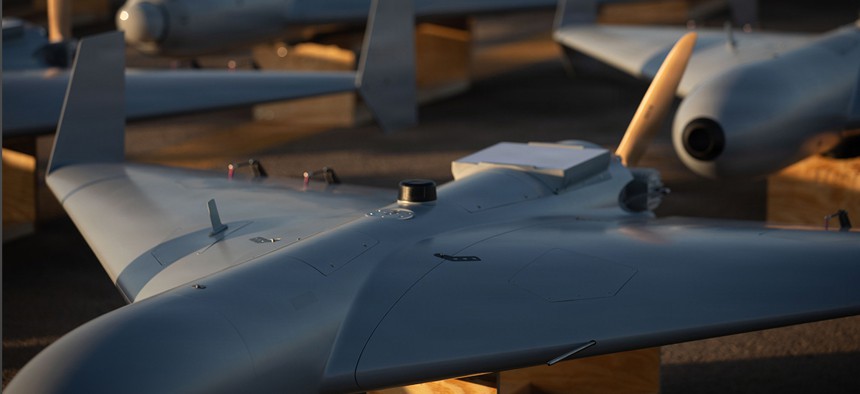
كشفت المواجهة مع إيران عن تحوّل واضح في طبيعة الحروب الحديثة، حيث اعتمدت طهران على طائرات مسيّرة منخفضة الكلفة تُقدّر بنحو 35 ألف دولار للوحدة، لكنها قادرة على إحداث تأثير عسكري كبير عند استخدامها بأعداد كثيفة.
كلفة الاعتراض تتجاوز أضعاف الهدف
في المقابل، تواجه الولايات المتحدة هذه المسيّرات بأنظمة متطورة تفوق كلفتها أضعاف الهدف. إسقاط مسيّرة عبر طائرات F-16 يكلّف نحو 65 ألف دولار، بينما ترتفع الكلفة إلى 253 ألف دولار باستخدام أنظمة “Coyote”، وتصل إلى 4.2 ملايين دولار عبر صواريخ SM-2 البحرية، وحتى 8 ملايين دولار عند استخدام منظومات “باتريوت”.
استنزاف سريع للمخزون العسكري
هذا الخلل في معادلة الكلفة انعكس مباشرة على الإنفاق، إذ أنفقت واشنطن نحو 11.3 مليار دولار خلال الأيام الستة الأولى من الحرب، مع تقديرات إجمالية بين 25 و35 مليار دولار، وسط مخاوف من استنزاف مخزون الصواريخ الدفاعية.
تكتيك الإغراق يضغط على الدفاعات
تعتمد إيران على إطلاق المسيّرات بأعداد كبيرة في وقت واحد، مستفيدة من مداها الذي يصل إلى 1500 ميل، ما يجعل معظم أهداف الشرق الأوسط ضمن نطاقها، ويُصعّب على الأنظمة الدفاعية اعتراضها بكلفة مستدامة.
خيارات محدودة وحلول قيد التطوير
رغم وجود خيارات أقل كلفة مثل مدافع C-RAM (نحو 30 ألف دولار للاعتراض)، إلا أنها محدودة المدى. لذلك، تتجه الولايات المتحدة نحو تطوير حلول جديدة، مثل المسيّرات الاعتراضية منخفضة الكلفة، وأسلحة الليزر التي قد لا تتجاوز كلفة الطلقة الواحدة منها 3 دولارات، لكنها لم تدخل الخدمة بعد.
تحدي الاستمرارية في حروب الاستنزاف
تعكس هذه المعادلة أزمة أعمق في الاستراتيجية العسكرية، حيث صُممت الأنظمة الأميركية لمواجهة تهديدات متطورة، لا أسراباً من الطائرات الرخيصة. ومع استمرار هذا النمط من الهجمات، يبرز التحدي الحقيقي في القدرة على الاستمرار، لا فقط في تحقيق التفوق التقني.
A simple, low-cost weapon with a major impact
The confrontation with Iran has revealed a clear shift in the nature of modern warfare, as Tehran relied on low-cost drones estimated at around $35,000 per unit, yet capable of creating significant military impact when used in large numbers.
Interception costs far exceed the target
In contrast, the United States faces these drones with advanced systems whose costs far exceed the target. Shooting down a drone using F-16 aircraft costs around $65,000, while the cost rises to $253,000 using Coyote systems, reaches $4.2 million with SM-2 naval missiles, and even $8 million when using Patriot systems.
Rapid depletion of military stockpiles
This imbalance in cost has directly impacted spending, with Washington spending about $11.3 billion in the first six days of the war, with total estimates ranging between $25 and $35 billion, amid concerns over the depletion of defensive missile stockpiles.
Saturation tactics pressure defenses
Iran relies on launching drones in large numbers simultaneously, benefiting from a range of up to 1,500 miles, placing most Middle Eastern targets within reach, making it difficult for defense systems to intercept them at a sustainable cost.
Limited options and developing solutions
Despite the presence of lower-cost options such as C-RAM guns (around $30,000 per interception), they remain limited in range. Therefore, the United States is moving toward developing new solutions, such as low-cost interceptor drones and laser weapons, whose cost per shot may not exceed $3, though they have not yet entered service.
The challenge of sustainability in wars of attrition
This equation reflects a deeper crisis in military strategy, as US systems were designed to confront advanced threats, not swarms of cheap drones. With the continuation of this pattern of attacks, the real challenge emerges in the ability to sustain operations, not just achieve technological superiority.