
رغم مساعي باكستان لتقريب وجهات النظر بين إيران والولايات المتحدة والتحضير لجولة ثانية من المفاوضات، لا تزال احتمالات التصعيد قائمة، في ظل استمرار الإجراءات الأميركية، ولا سيما الحصار البحري وتعزيز الوجود العسكري في المنطقة
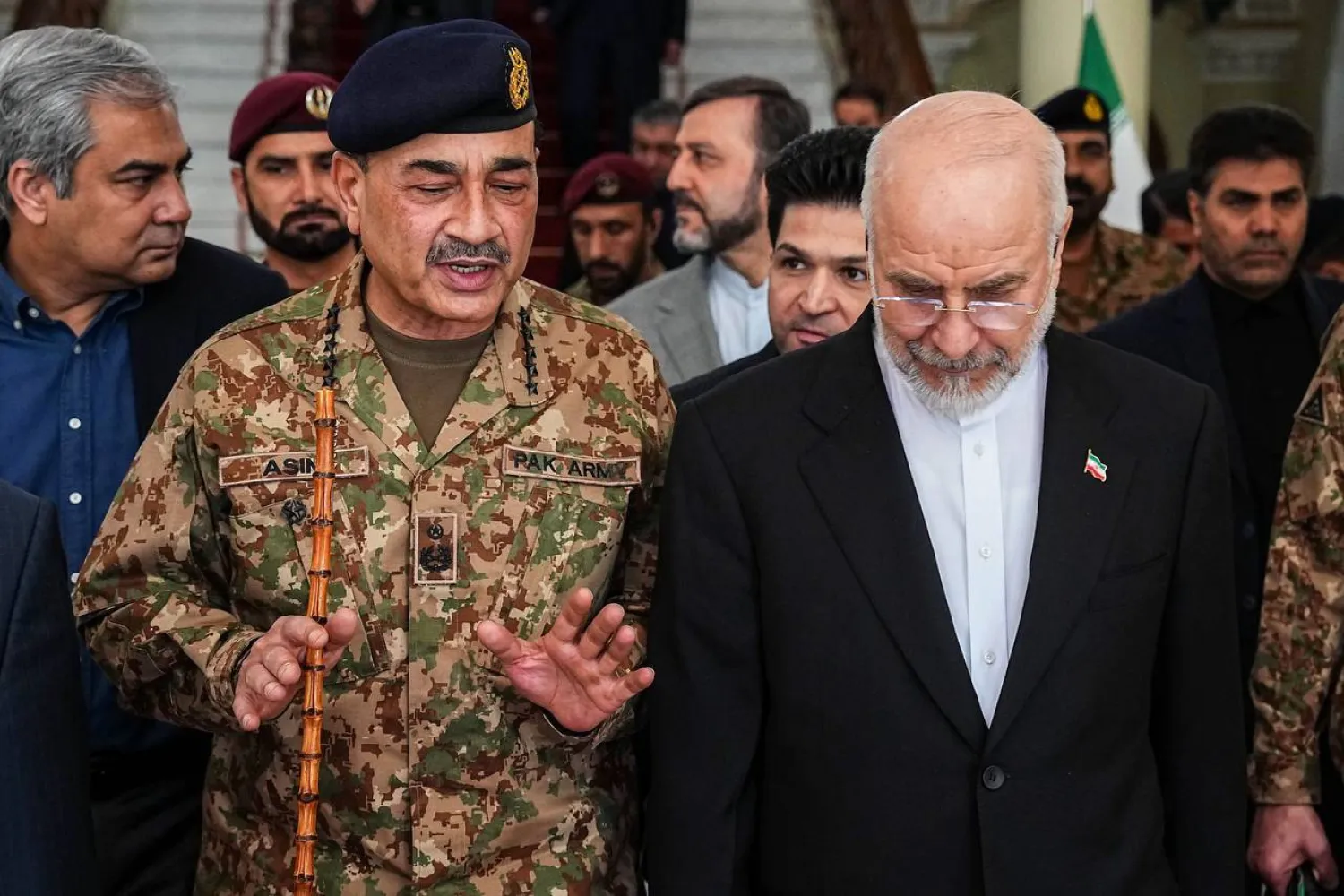
في هذا الإطار، زار قائد الجيش الباكستاني عاصم منير طهران، حيث التقى مسؤولين إيرانيين بينهم محمد باقر قاليباف وعباس عراقجي، في محاولة لتمهيد الطريق أمام مفاوضات جديدة في إسلام آباد تقوم على التفاهم حول “الإطار العام” للاتفاق، قبل انتقاله إلى واشنطن لاستكمال الوساطة
ويبقى البرنامج النووي الإيراني محور الخلاف الأساسي، خصوصًا ما يتعلق بمخزون اليورانيوم المخصب والقيود المفروضة على التخصيب. ومع الحديث عن جولة قريبة وربما تمديد الهدنة التي تنتهي قريبًا، يبرز وقف إطلاق النار في لبنان كجزء من التفاهم بين طهران وواشنطن، رغم اعتراض إيران على المفاوضات المباشرة بين بيروت وتل أبيب، ومحاولة فصل هذا الملف عن التفاوض النووي
في المقابل، فرضت الولايات المتحدة حصارًا بحريًا على الموانئ الإيرانية، إلا أن تطبيقه لا يزال جزئيًا، إذ تستمر حركة السفن التجارية وناقلات الشحن بشكل طبيعي إلى حد كبير، مع قيود محدودة فقط على بعض ناقلات النفط، فيما لم يتوقف عبور النفط عبر مضيق هرمز
هذا الواقع يثير مخاوف داخل إيران من أن يؤدي تمديد وقف إطلاق النار دون نتائج ملموسة إلى منح واشنطن وقتًا لتعزيز قواتها ورفع مستوى الضغط الاقتصادي، خصوصًا مع تقارير عن نشر أكثر من 10 آلاف جندي أميركي إضافي في الشرق الأوسط
بالتوازي، تؤكد طهران أنها تتعامل بحذر مع أي مفاوضات جديدة، فيما تعلن جهوزيتها العسكرية الكاملة للرد على أي هجوم، في حين تؤكد واشنطن بدورها استعدادها لاستئناف العمليات. كما حذّرت جهات دولية، بينها مجلس الأمن الروسي، من أن التعزيزات الأميركية قد تعكس تحضيرًا لعمل عسكري محتمل تحت غطاء المفاوضات
في المحصلة، تسير الولايات المتحدة في مسارين متوازيين: التفاوض من جهة، والتصعيد العسكري والاقتصادي من جهة أخرى، ما يجعل الهدنة هشّة، واحتمال العودة إلى المواجهة قائمًا في أي لحظة
Despite Pakistan’s efforts to bring Iran and the United States closer and prepare for a second round of negotiations, the chances of escalation remain, amid the continuation of US measures, particularly the naval blockade and the reinforcement of military presence in the region.
In this context, Pakistani Army Chief Asim Munir visited Tehran, where he met Iranian officials including Mohammad Bagher Ghalibaf and Abbas Araghchi, in an attempt to pave the way for new negotiations in Islamabad based on an understanding of the general framework of an agreement, before heading to Washington to continue mediation.
The Iranian nuclear program remains the main point of contention, especially regarding enriched uranium stockpiles and restrictions on enrichment. With talk of a possible upcoming round and perhaps an extension of the truce that is nearing its end, the ceasefire in Lebanon emerges as part of the understanding between Tehran and Washington, despite Iran’s objection to direct negotiations between Beirut and Tel Aviv and attempts to separate this file from the nuclear talks.
On the other hand, the United States has imposed a naval blockade on Iranian ports, though its implementation remains partial, as commercial shipping and cargo vessels continue to operate largely normally, with only limited restrictions on some oil tankers, while oil transit through the Strait of Hormuz has not stopped.
This situation raises concerns within Iran that extending the ceasefire without tangible results could give Washington time to reinforce its forces and increase economic pressure, especially with reports of deploying more than 10,000 additional US troops in the Middle East.
At the same time, Tehran affirms that it is approaching any new negotiations with caution, while declaring full military readiness to respond to any attack, as Washington also confirms its readiness to resume operations. International bodies, including the Russian Security Council, have warned that US reinforcements may reflect preparations for possible military action under the cover of negotiations.
In conclusion, the United States is moving on two parallel tracks: negotiation on one hand, and military and economic escalation on the other, making the truce fragile and the possibility of a return to confrontation present at any moment.

