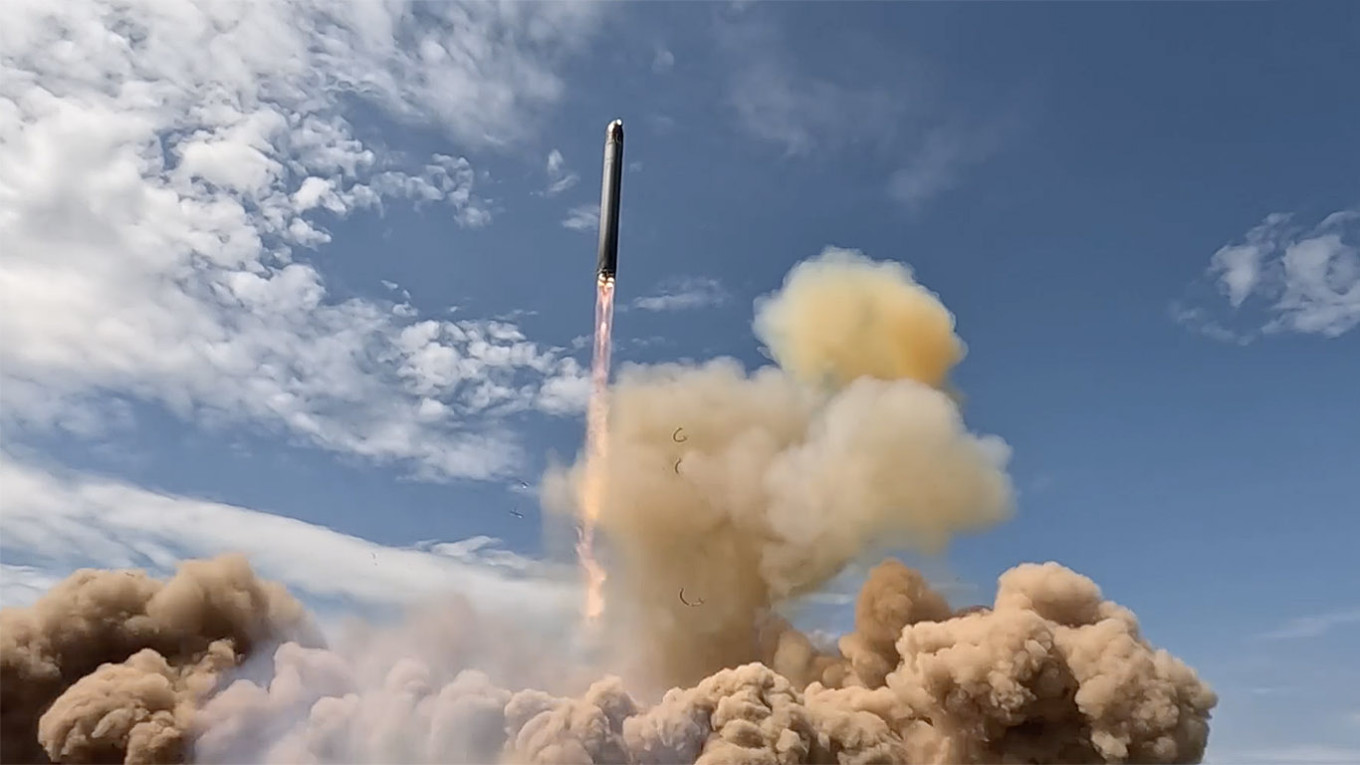
أعلنت روسيا نجاح اختبار منظومة «سارمات» النووية الجديدة، في خطوة تعكس تصاعد التنافس العسكري والنووي مع الغرب، فيما كشف الرئيس الروسي فلاديمير بوتين عن قدرات وصفها بـ«غير المسبوقة» للصاروخ العابر للقارات.
وخلال استماعه إلى تقرير بشأن عملية الإطلاق، قال بوتين إن صاروخ «سارمات» لا يعتمد فقط على المسار الباليستي التقليدي، بل يمتلك القدرة على التحرك عبر مسار شبه مداري، ما يسمح له بتجاوز أنظمة الدفاع الصاروخي الحالية وحتى المستقبلية.
وأضاف أن المنظومة الجديدة تتمتع بدقة عالية وقدرات كبيرة على اختراق الدفاعات، مشيراً إلى أن قوة رأسها الحربي تفوق بأكثر من أربعة أضعاف أي رأس حربي غربي مماثل.
ووصف بوتين «سارمات» بأنه «أقوى منظومة صواريخ في العالم»، مؤكداً أنها تتفوق على منظومة «فويفودا» السوفيتية التي شكّلت لعقود جزءاً أساسياً من الترسانة النووية الروسية.
وجاءت تصريحات الرئيس الروسي بعد إعلان قائد قوات الصواريخ الإستراتيجية سيرغي كاراكايف نجاح تجربة إطلاق الصاروخ، الذي يُعد من أحدث الصواريخ الباليستية العابرة للقارات العاملة بالوقود السائل الثقيل.
ويُنظر إلى «سارمات» كأحد أبرز أسلحة الردع الروسية، نظراً لقدرته على حمل عدة رؤوس نووية وتغيير مساراته أثناء التحليق لتفادي أنظمة الاعتراض.
وفي السياق نفسه، أكد بوتين أن موسكو تواصل تنفيذ برنامج تطوير قواتها النووية، كاشفاً أن منظومة «أوريشنيك» الأرضية متوسطة المدى دخلت الخدمة منذ عام 2025، مع إمكانية تزويدها برؤوس نووية.
كما أشار إلى أن العمل بات في مراحله الأخيرة على منظومتين جديدتين تعملان بمحركات نووية صغيرة، هما الغواصة المسيّرة «بوسيدون» وصاروخ كروز «بوريفستنيك».
وتأتي هذه التطورات في ظل تصاعد التوتر بين روسيا والغرب على خلفية الحرب في أوكرانيا، وسط تحذيرات من عودة سباق التسلح النووي إلى الواجهة الدولية بوتيرة غير مسبوقة منذ نهاية الحرب الباردة.
Russia announced the successful test of its new nuclear “Sarmat” missile system, in a move reflecting the growing military and nuclear rivalry with the West. Russian President Vladimir Putin revealed what he described as the missile’s “unprecedented” capabilities.
While listening to a report on the launch operation, Putin stated that the “Sarmat” missile does not rely solely on the traditional ballistic trajectory, but is also capable of traveling along a semi-orbital path, allowing it to bypass current and even future missile defense systems.
He added that the new system possesses high precision and strong penetration capabilities, noting that the power of its warhead exceeds that of any comparable Western warhead by more than four times.
Putin described the “Sarmat” as “the most powerful missile system in the world,” emphasizing that it surpasses the Soviet-era “Voevoda” system, which had formed a key part of Russia’s nuclear arsenal for decades.
The Russian president’s statements came after Strategic Missile Forces Commander Sergei Karakayev announced the successful launch test of the missile, considered one of the latest heavy liquid-fueled intercontinental ballistic missiles (ICBMs).
“Sarmat” is regarded as one of Russia’s most prominent deterrence weapons due to its ability to carry multiple nuclear warheads and alter its flight path during travel to evade interception systems.
In the same context, Putin confirmed that Moscow continues implementing its nuclear forces modernization program, revealing that the medium-range ground-based “Oreshnik” system has been in service since 2025, with the possibility of equipping it with nuclear warheads.
He also indicated that work is in its final stages on two new systems powered by small nuclear engines: the unmanned submarine “Poseidon” and the “Burevestnik” cruise missile.
These developments come amid escalating tensions between Russia and the West over the war in Ukraine, alongside warnings of a renewed global nuclear arms race at a pace unseen since the end of the Cold War.