أعلنت إيران تفاصيل المبادرة التي طرحتها خلال المفاوضات الجارية مع الولايات المتحدة، في إطار المساعي الرامية إلى إنهاء الحرب المستمرة منذ 28 شباط، والتي تتهم طهران واشنطن وتل أبيب بالوقوف خلفها.
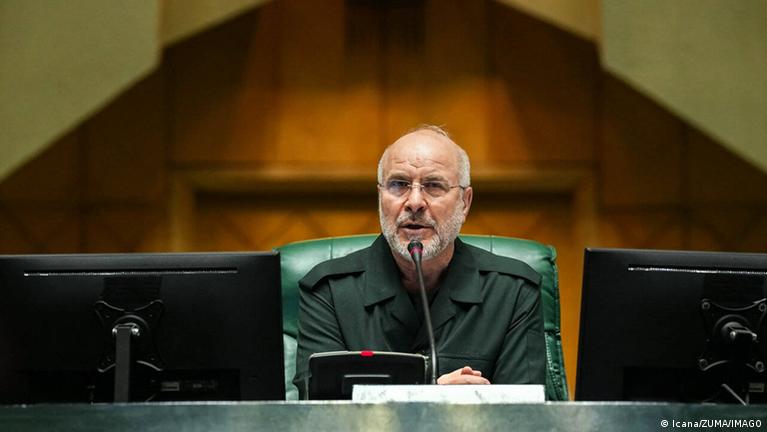
وخلال اجتماع عقدته لجنة الأمن القومي والسياسة الخارجية في البرلمان الإيراني، قدّم نائب وزير الخارجية للشؤون القانونية والدولية كاظم غريب آبادي إحاطة حول مسار التفاوض، تناولت مواقف الوفد الإيراني والبنود الأساسية التي تضمّنها المقترح المقدم إلى الجانب الأميركي.
وبحسب ما طُرح في الاجتماع، تطالب طهران برفع كامل للعقوبات المفروضة عليها، والإفراج عن الأموال الإيرانية المجمدة في الخارج، إضافة إلى إنهاء ما تصفه بـ«الحصار» المفروض على البلاد.
كما تضمّنت الرؤية الإيرانية المطالبة بتعويضات عن الأضرار الناتجة عن الحرب، بهدف استخدامها في إعادة الإعمار، إلى جانب إلغاء العقوبات الأحادية وقرارات مجلس الأمن المرتبطة بإيران، وسحب القوات الأميركية من المناطق المحاذية لها.
وأكد المسؤول الإيراني أن بلاده تتمسك بحقها في تطوير برنامج نووي لأغراض سلمية، مشيراً إلى أن الطرح الإيراني يشمل أيضاً وقف المواجهات على مختلف الساحات، ومن بينها لبنان، فضلاً عن إنهاء الحصار البحري والإفراج عن الأصول المحتجزة.
غريب آبادي شدد من جهته على أن الفريق التفاوضي الإيراني يتحرك ضمن ثوابت تعتبرها طهران مرتبطة بـ«حماية مصالح البلاد والحفاظ على قوتها الوطنية».
وتناول اجتماع اللجنة كذلك آخر المستجدات المتعلقة بالمفاوضات الإيرانية الأميركية، إضافة إلى نتائج مشاركة وزير الخارجية عباس عراقجي في اجتماع وزراء خارجية دول «البريكس» في الهند، إلى جانب البحث في زيارة وزير الداخلية الباكستاني إلى العاصمة الإيرانية.
Iran announced details of the initiative it presented during the ongoing negotiations with the United States, as part of efforts aimed at ending the war that has continued since February 28, which Tehran accuses Washington and Tel Aviv of being behind.
During a meeting held by the Iranian Parliament’s National Security and Foreign Policy Committee, Deputy Foreign Minister for Legal and International Affairs Kazem Gharibabadi gave a briefing on the course of the negotiations. He addressed the positions of the Iranian delegation and the main points included in the proposal submitted to the American side.
According to what was discussed during the meeting, Tehran is demanding the complete lifting of sanctions imposed on Iran, the release of frozen Iranian assets abroad, and an end to what it describes as the “siege” imposed on the country.
The Iranian vision also includes demands for compensation for damages resulting from the war, with the aim of using the funds for reconstruction, in addition to the cancellation of unilateral sanctions and UN Security Council resolutions related to Iran, as well as the withdrawal of American forces from areas bordering the country.
The Iranian official emphasized that Iran insists on its right to develop a nuclear program for peaceful purposes, noting that the Iranian proposal also includes ending confrontations on various fronts, including Lebanon, as well as lifting the naval blockade and releasing detained assets.
For his part, Gharibabadi stressed that the Iranian negotiating team is operating according to principles that Tehran considers tied to “protecting the country’s interests and preserving its national strength.”
The committee meeting also addressed the latest developments in the Iranian-American negotiations, in addition to the outcomes of Foreign Minister Abbas Araghchi’s participation in the BRICS foreign ministers’ meeting in India, as well as discussions regarding the visit of Pakistan’s Interior Minister to the Iranian capital.