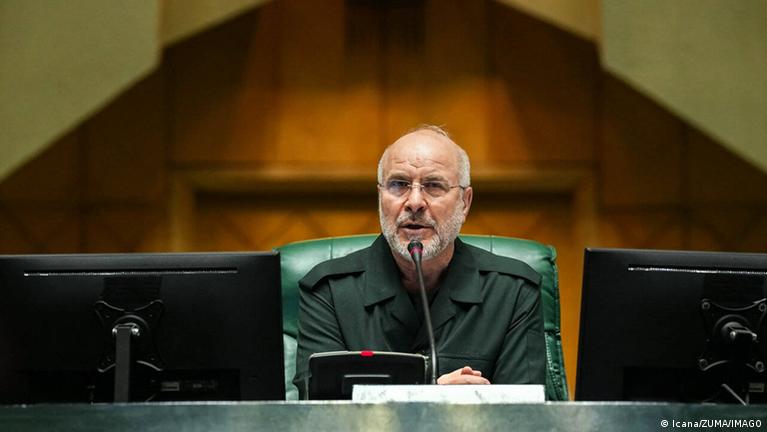
تمتلك الولايات المتحدة ترسانة بحرية متطورة، تتصدرها مدمرات حديثة مثل "فرانك إي. بيترسون" و"مايكل ميرفي"، إذ يتجاوز طول كل منهما 155 مترا، وتزيد كلفة الواحدة عن ملياري دولار. وتحمل هذه المدمرات نحو 96 صاروخا موجها قادرا على التعامل مع الطائرات والصواريخ والغواصات، إضافة إلى تنفيذ ضربات برية دقيقة، ما يمنحها تفوقا ناريا واضحا على أي أسطول تقليدي في المنطقة.
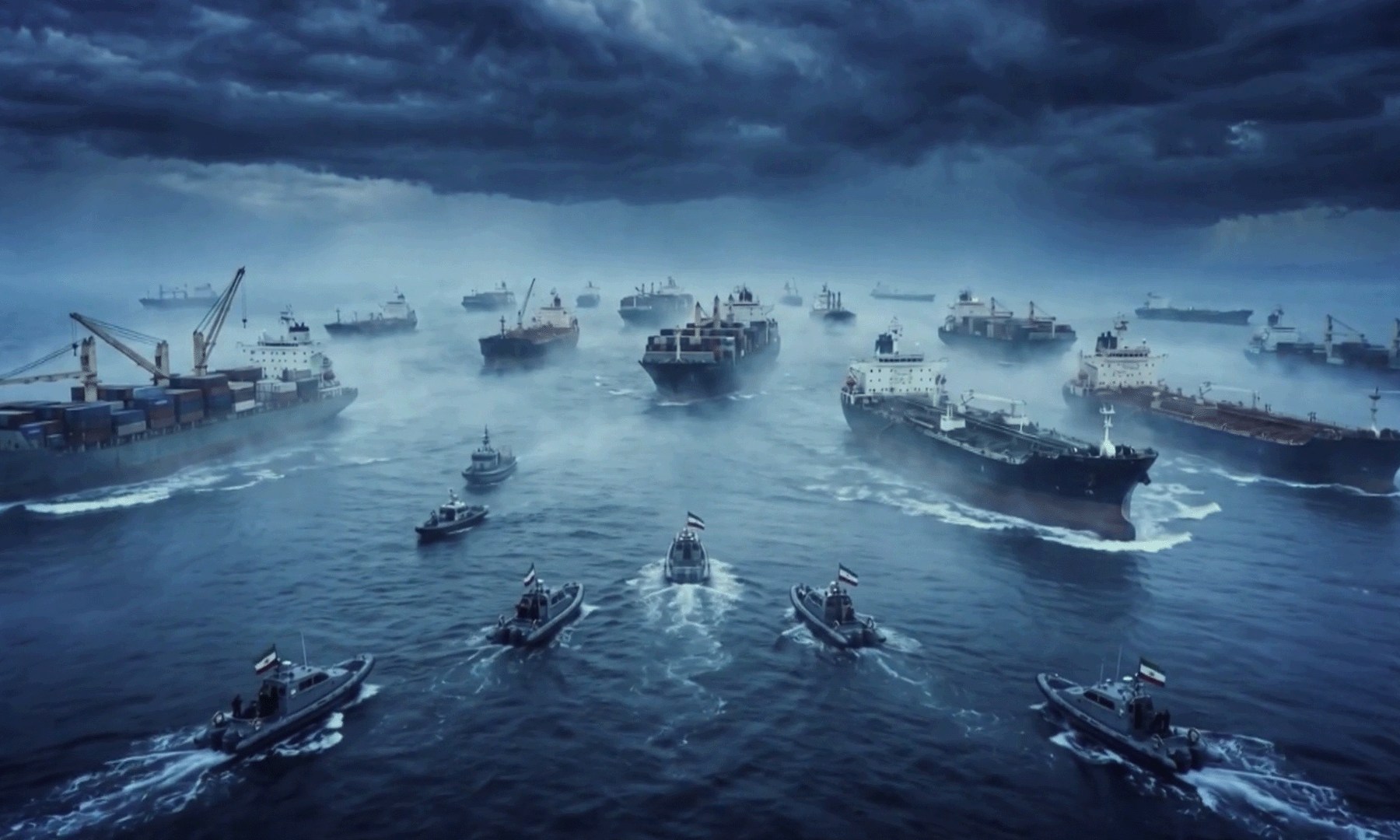
لكن هذا التفوق لا يُترجم دائما إلى سيطرة مطلقة، خاصة في بيئات معقدة مثل مضيق هرمز، حيث تضيق الجغرافيا وتتغير قواعد الاشتباك. هنا، تعتمد إيران على تكتيكات "الحرب غير المتكافئة"، وعلى رأسها أسلوب "أسراب البعوض"، الذي يقوم على إطلاق أعداد كبيرة من الزوارق السريعة بهدف إرباك دفاعات الخصم بدل مواجهته بشكل مباشر.
مغارات محصنة واستراتيجية مختلفة
من داخل مغارات محصنة على السواحل والجزر، تنطلق هذه الزوارق — مثل "ذي الفقار" و"سراج" و"عاشوراء" و"طوفان" و"حيدر 110" — ضمن هجمات تعتمد على السرعة والمناورة والكثافة العددية. ويعكس هذا النهج إدراكا إيرانيا للفجوة التكنولوجية، حيث تركز طهران على إشباع الدفاعات الأمريكية بدلا من منافستها في سباق المدمرات.
وتنتشر هذه الزوارق في أكثر من 10 قواعد محصنة، من بينها جزيرة فارور الاستراتيجية، ما يسمح بتنفيذ هجمات متزامنة من عدة اتجاهات. ويختلف تسليح كل زورق حسب دوره، إذ تشمل:
مدافع رشاشة ثقيلة (أقل من 2 كم)
قاذفات صواريخ (حتى 8 كم)
صواريخ مضادة للسفن (حتى 100 كم)
طوربيدات خفيفة (نحو 10 كم)
مسيّرات هجومية (حتى 50 كم)
ألغام بحرية وزوارق انتحارية
ولا يهدف هذا التكتيك بالضرورة إلى تدمير السفن الحربية، بل إلى استنزاف أنظمتها الدفاعية وإرباكها، خصوصا أن المدمرة — رغم قوتها — لا تستطيع حماية كل السفن التجارية في المضيق في وقت واحد.
الكلفة الخفية: الضغط اللوجستي على القوات الأمريكية
في المقابل، لا تقتصر التحديات الأمريكية على المواجهة العسكرية فقط، بل تمتد إلى الأعباء اللوجستية الضخمة. فكل جندي من المارينز على متن حاملات الطائرات يكلف نحو 500 دولار يوميا للغذاء فقط، وقد تصل التكلفة الإجمالية إلى نحو 1000 دولار يوميا للفرد عند احتساب بقية النفقات.
وتتحول حاملات الطائرات إلى مدن عائمة عالية الكلفة. على سبيل المثال:
تحمل USS Lincoln نحو 6000 عنصر و90 طائرة، ويحتاج الفرد إلى 3500 سعرة حرارية يوميا
بينما تضم USS Tripoli حوالي 2200 مقاتل، مع معدل يصل إلى 9000 وجبة يوميا
ومع نشر أكثر من 10 آلاف جندي، و12 سفينة، و100 طائرة، وعدد من المدمرات في المنطقة، تتضاعف الضغوط التشغيلية بشكل كبير.
تراجع المعنويات ونقص الإمدادات
كشفت تقارير أمريكية عن شكاوى داخلية من طواقم السفن، خاصة "لينكولن" و"تريبولي"، بسبب نقص الإمدادات الغذائية وتراجع المعنويات. ووفقا لشهادات بعض الجنود، يتم تقنين الطعام بسبب محدودية الكميات، مع نقص واضح في الخضروات الطازجة.
وقد أدى ذلك إلى قلق عائلات الجنود، الذين حاولوا إرسال طرود غذائية، إلا أن توقف خدمة البريد العسكري في الشرق الأوسط حال دون وصولها. كما أقر عضو الكونغرس مايك ليفين بوجود مشكلة، معتبرا أن اضطرار الجنود لتقليل وجباتهم "أمر غير مقبول".

معادلة معقدة
في ظل هذه المعطيات، تبدو المواجهة في الخليج معادلة مركبة: تفوق عسكري أمريكي هائل يقابله تكتيك إيراني مرن ومنخفض الكلفة، يقترن بضغط لوجستي متزايد على القوات الأمريكية.
وفي بيئة ضيقة مثل مضيق هرمز، لا يتطلب تعطيل الملاحة معركة كبرى؛ فقد يكون مجرد تهديد أو إصابة سفينة واحدة كافيا لإحداث ارتباك واسع، تتجاوز آثاره حدود المنطقة.
The United States possesses an advanced naval arsenal, led by modern destroyers such as Frank E. Petersen and Michael Murphy, each exceeding 155 meters in length, with a cost of more than $2 billion per ship. These destroyers carry around 96 guided missiles capable of dealing with aircraft, missiles, and submarines, in addition to executing precise land strikes, giving them clear firepower superiority over any conventional fleet in the region.
However, this superiority does not always translate into absolute control, especially in complex environments such as the Strait of Hormuz, where geography narrows and the rules of engagement change. Here, Iran relies on asymmetric warfare tactics, foremost among them the mosquito swarm approach, which is based on launching large numbers of fast boats to disrupt enemy defenses rather than confront them directly.
Fortified caves and a different strategy
From within fortified caves along the coasts and islands, these boats are launched, such as Zolfaghar, Seraj, Ashura, Toofan, and Haidar 110, in attacks that rely on speed, maneuverability, and numerical density. This approach reflects an Iranian awareness of the technological gap, as Tehran focuses on saturating US defenses rather than competing in a destroyer race.
These boats are deployed across more than 10 fortified bases, including the strategic Farur Island, allowing simultaneous attacks from multiple directions. The armament of each boat varies depending on its role, including:
Heavy machine guns with a range of less than 2 km
Rocket launchers with a range of up to 8 km
Anti-ship missiles with a range of up to 100 km
Light torpedoes with a range of around 10 km
Attack drones with a range of up to 50 km
Naval mines and suicide boats
This tactic does not necessarily aim to destroy warships, but rather to exhaust their defense systems and confuse them, especially since a destroyer, despite its strength, cannot protect all commercial ships in the strait at the same time.
The hidden cost: logistical pressure on US forces
On the other hand, US challenges are not limited to military confrontation, but extend to heavy logistical burdens. Each Marine aboard aircraft carriers costs about $500 per day for food alone, and the total cost can reach around $1,000 per person per day when accounting for other expenses.
Aircraft carriers effectively become high-cost floating cities. For example:
USS Lincoln carries around 6,000 personnel and 90 aircraft, with each individual requiring 3,500 calories per day
USS Tripoli includes about 2,200 personnel, with a rate reaching 9,000 meals per day
With the deployment of more than 10,000 troops, 12 ships, 100 aircraft, and several destroyers in the region, operational pressures increase significantly.
Declining morale and supply shortages
US reports have revealed internal complaints from ship crews, especially on Lincoln and Tripoli, due to shortages in food supplies and declining morale. According to testimonies from some soldiers, food is being rationed due to limited quantities, with a clear shortage of fresh vegetables.
This has raised concern among soldiers’ families, who attempted to send food packages, but the suspension of military mail services in the Middle East prevented their delivery. Congressman Mike Levin acknowledged the issue, stating that forcing soldiers to reduce their meals is unacceptable.
A complex equation
In light of these factors, the confrontation in the Gulf appears as a complex equation: overwhelming US military superiority matched by a flexible and low-cost Iranian tactic, combined with increasing logistical pressure on US forces.
In a narrow environment like the Strait of Hormuz, disrupting navigation does not require a major battle; even the threat or damage of a single ship may be enough to create widespread disruption, with effects that extend beyond the region.