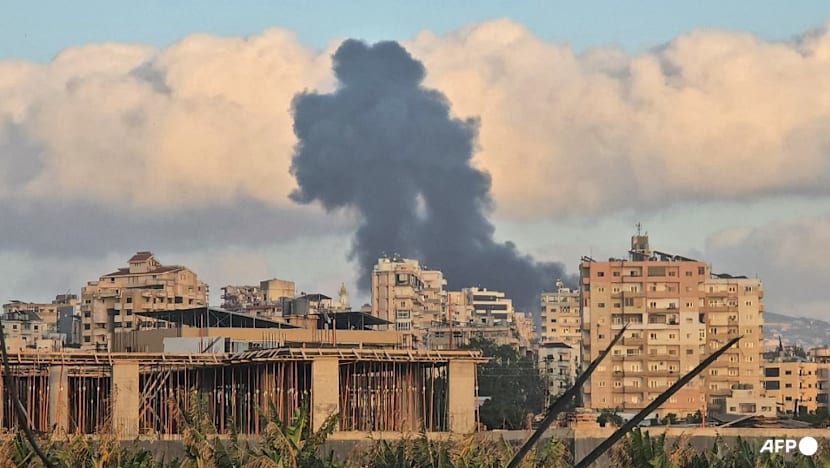
رغم التصعيد الإسرائيلي الواسع الذي استهدف مناطق في الجنوب والبقاع، تواصل السلطة اللبنانية المشاركة في الاجتماعات العسكرية مع العدو برعاية أميركية، وسط انتقادات متزايدة تعتبر أن استمرار المفاوضات في ظل القصف يمنح إسرائيل فرصة لمواصلة الضغط العسكري والسياسي في آن واحد
وترى أوساط متابعة أن تل أبيب تتعامل مع المفاوضات والعمليات العسكرية كجزء من مسار واحد يهدف إلى فرض شروط جديدة على لبنان تحت ضغط النار، مستفيدة من تمسّك الدولة اللبنانية بخيار التفاوض وعدم انسحابها من المسار القائم رغم استمرار الغارات والاغتيالات
وفي هذا الإطار، عُقد اجتماع عسكري لبناني – إسرائيلي في واشنطن بمشاركة ضباط أميركيين، تمهيداً لجولة جديدة من المفاوضات المباشرة مطلع حزيران. وترأس الوفد اللبناني مدير العمليات في الجيش العميد جورج رزق الله، مع تأكيد قيادة الجيش أن مهمة الوفد تقتصر على الجوانب التقنية والعسكرية المرتبطة بتثبيت وقف إطلاق النار ومنع التدهور الأمني، بعيداً من أي نقاش سياسي يتعلق بسلاح المقاومة
وحمل الوفد اللبناني إلى الاجتماعات مطلباً أساسياً يتمثل بوقف الاعتداءات الإسرائيلية وتثبيت الهدنة، مع السعي للحصول على ضغط أميركي يمنع إسرائيل من استخدام المفاوضات غطاءً لمواصلة عملياتها العسكرية. كما شددت الرئاسة اللبنانية خلال اتصالات مع الجانب الأميركي على أن وقف إطلاق النار يجب أن يكون المدخل لأي بحث في الملفات الأخرى
في المقابل، أصرّ الوفد الإسرائيلي على طرح ملفات تتعلق بالمسيّرات والبنية العسكرية شمال الليطاني، وربط أي نقاش حول الانسحاب من الأراضي اللبنانية المحتلة بإجراءات تستهدف قدرات حزب الله. كما رفضت إسرائيل، بحسب تقارير إعلامية، أي جدول زمني للانسحاب من المواقع التي تحتلها حالياً، مبررة ذلك بما تصفه بالتهديدات الأمنية
وتشير المعلومات إلى أن الجانب الأميركي يعمل على مقترحات جديدة تتضمن ترتيبات أمنية أوسع، من بينها أفكار تتعلق بمراقبة تنفيذ التفاهمات ونزع سلاح حزب الله، وهي طروحات قوبلت بتحفظات لبنانية ورفض لأي شكل من أشكال التنسيق الأمني المباشر مع إسرائيل
وفي ظل هذا المشهد، يبرز اقتناع متزايد لدى أوساط سياسية بأن الاجتماعات العسكرية لن تكون قادرة على حسم الملفات الأساسية، خصوصاً أن قضايا الانسحاب الإسرائيلي ومستقبل السلاح ترتبط بتوازنات سياسية وميدانية أكبر. كما أن أي تفاهمات تبقى مرتبطة بالواقع الميداني، في ظل تأكيد حزب الله أنه غير معني بهذه المفاوضات وأن المقاومة ستستمر طالما استمرت الحرب والاحتلال
Despite the broad Israeli escalation targeting areas in southern Lebanon and the Bekaa, the Lebanese authorities continue to participate in military meetings with Israel under American sponsorship, amid growing criticism that maintaining negotiations during ongoing bombardment gives Israel an opportunity to continue applying both military and political pressure simultaneously.
Observers argue that Tel Aviv is treating negotiations and military operations as part of a single strategy aimed at imposing new conditions on Lebanon under the pressure of force, benefiting from the Lebanese state's commitment to negotiations and its refusal to withdraw from the current process despite continued airstrikes and targeted killings.
In this context, a Lebanese-Israeli military meeting was held in Washington with the participation of American officers, ahead of a new round of direct talks scheduled for early June. The Lebanese delegation was led by Brigadier General George Rizkallah, Director of Operations in the Lebanese Army. Army leadership emphasized that the delegation’s mission is limited to technical and military issues related to maintaining the ceasefire and preventing security deterioration, away from any political discussions concerning Hezbollah’s weapons.
The Lebanese delegation reportedly brought a key demand to the meetings: ending Israeli attacks and solidifying the truce, while seeking American pressure to prevent Israel from using negotiations as cover for continued military operations. The Lebanese presidency also stressed in contacts with the American side that a ceasefire must be the starting point for discussing any other issues.
Meanwhile, the Israeli delegation insisted on raising issues related to drones and military infrastructure north of the Litani River, linking any discussion about withdrawal from occupied Lebanese territories to measures targeting Hezbollah’s capabilities. According to media reports, Israel also rejected any timetable for withdrawing from positions it currently occupies, citing what it describes as security threats.
Reports indicate that the United States is working on new proposals involving broader security arrangements, including ideas related to monitoring the implementation of understandings and the disarmament of Hezbollah. These proposals have reportedly been met with Lebanese reservations and rejection of any form of direct security coordination with Israel.
Against this backdrop, there is growing conviction among political circles that military meetings alone will not be able to resolve the core issues, particularly since questions related to Israeli withdrawal and the future of weapons are tied to broader political and military balances. Any agreements also remain dependent on developments on the ground, as Hezbollah has repeatedly stated that it is not involved in these negotiations and that the resistance will continue as long as war and occupation persist.