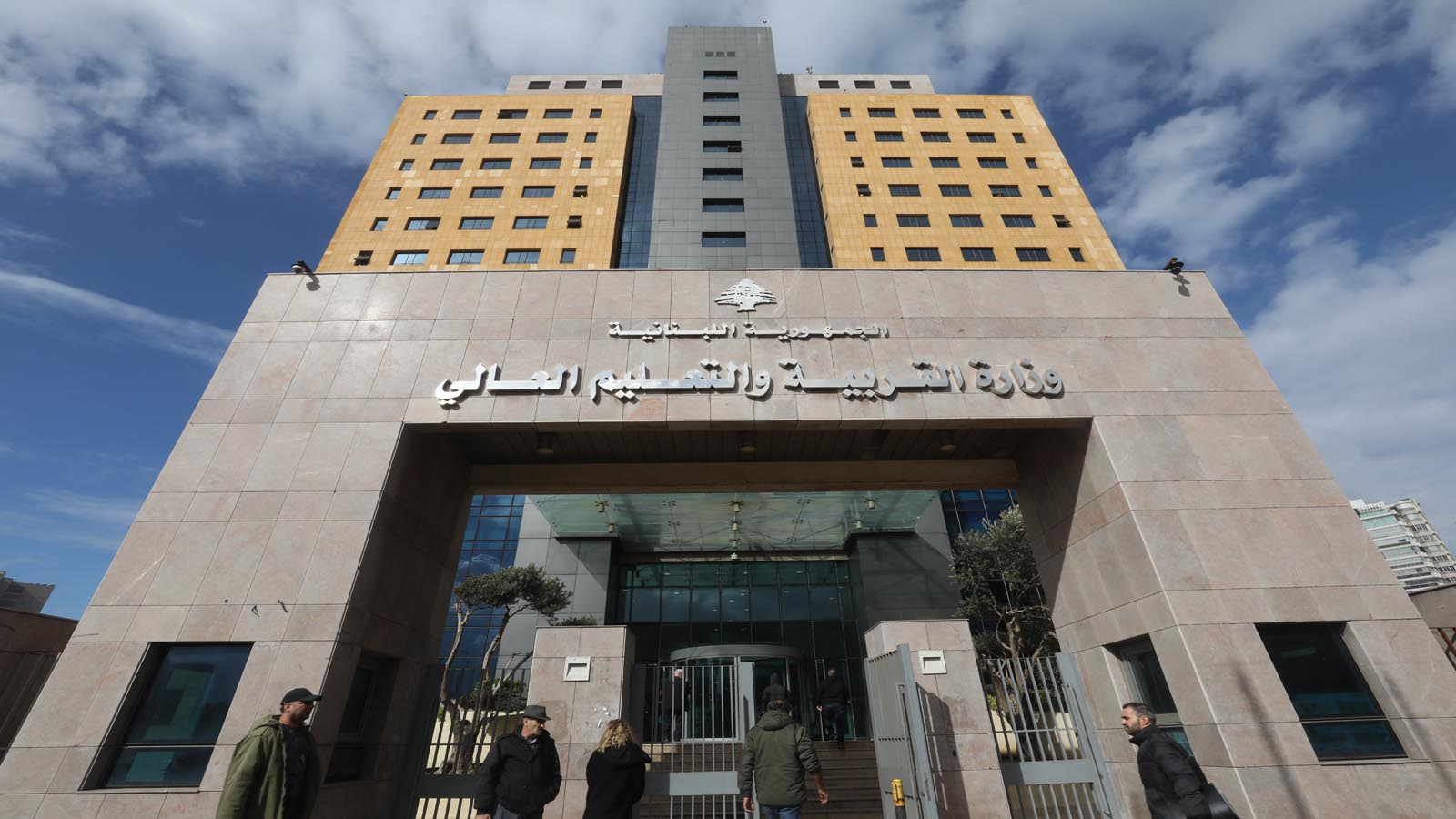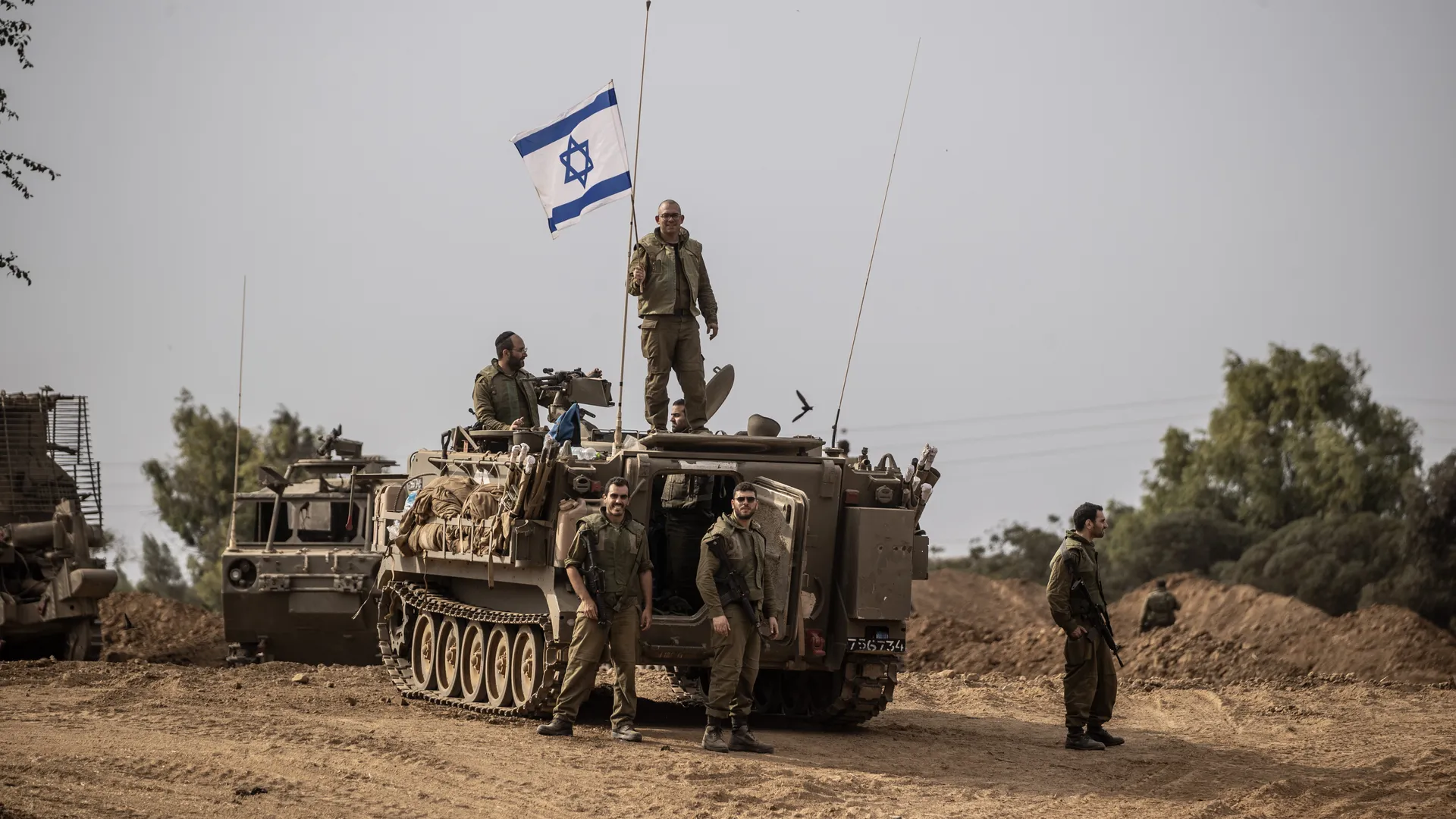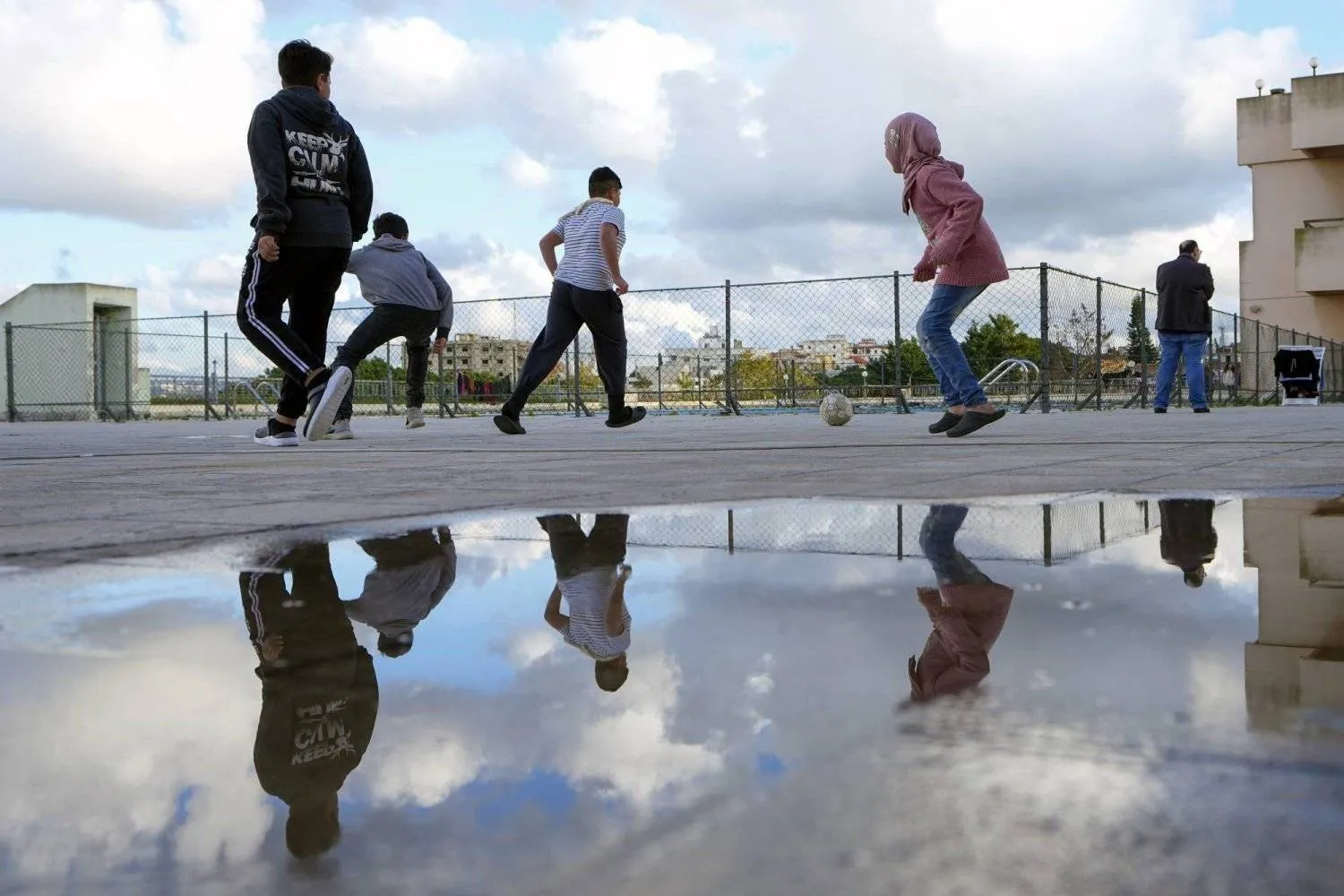
يصعب اليوم الحديث عن رقم نهائي للمؤسسات التعليمية الرسمية والخاصة التي دُمّرت بفعل العدوان الإسرائيلي، إذ تُضاف تباعاً مدارس وثانويات ومعاهد مهنية جديدة إلى لائحة الخسائر. لكنّ المؤكد، وفق ما تُظهِره الصور الجوية، أنّ عشرات المؤسسات دُمّرت بالكامل، ما يطرح أسئلة جدّية حول إمكان إعادة بنائها وعودتها إلى العمل في السنوات المقبلة.
وفي وقت لم تكن فيه المدارس قد تعافت بعد من آثار حرب 2024، ولم تُستكمل أعمال الترميم فيها، جاءت الجولة الأخيرة لتعيد عدداً كبيراً منها إلى نقطة الصفر، بل لتُزيل بعضها بالكامل. فقد مُحيَت تقريباً ثانوية مروحين من الخريطة بعد أن كانت قد تضرّرت سابقاً. وفي عيترون، تُظهِر الصور الجوية تحوّل الثانوية الرسمية من مبنى متضرّر إلى ركام كامل. وفي بنت جبيل، طاول التدمير الثانوية الرسمية والمعهد المهني، إلى جانب أضرار جسيمة أو دمار كامل لعدد من المؤسسات التربوية في بلدات الحافة الأمامية والمحاذية.
ومع كل مدرسة تسقط أو تُدمّر، لا يضيع صفّ دراسي أو مختبر أو ملعب فحسب، بل جزء من ذاكرة المكان. لذلك يتحدّث المديرون عن معركة من نوع آخر عنوانها الحفاظ على المؤسسات التعليمية وعدم شطبها من السجلّ التربوي، حتى في حال تعذّر استقبال طلابها في المدى المنظور. غير أنّ هناك من يرى أيضاً أنّ مجرّد الحفاظ على الكيان هو قرار سياسي بامتياز.
وفي اجتماع تشاوري عقدته وزيرة التربية ريما كرامي أخيراً مع أكثر من 20 مديراً لمؤسسات متضرّرة، برزت هذه الهواجس بوضوح. ولم يقتصر النقاش على حجم الأضرار وكلفة إعادة البناء، بل تناول أيضاً مصير التعليم في هذه المدارس وإمكان استمرارها كمؤسسات مستقلة، بعدما فقد بعضها مبانيه وطلابه والبيئة السكانية التي كان يعتمد عليها.
وتبرز هنا معضلة أساسية. ففي البلدات الأمامية التي تعرّضت لدمار واسع، مثل ميس الجبل وعيترون وبليدا وحولا والخيام وكفركلا والعديسة وغيرها، لا يبدو خيار استحداث مبانٍ بديلة للمؤسسات المُدمّرة واقعياً في الوقت الراهن، بحسب المديرين، إذ إنّ الأهالي والطلاب والأساتذة تشتّتوا في مناطق لبنانية مختلفة، ما يجعل إعادة تجميعهم في مكان واحد أمراً بالغ الصعوبة.
مديرو المدارس أمام معركة سياسية لعدم شطب المؤسسات التعليمية من السجلّ التربوي حتى في حال تعذّر استقبال طلابها
لذلك، يميل مدير ثانوية ميس الجبل الرسمية فرج بدران إلى الحفاظ على كيانات المدارس والثانويات عبر تسجيل الطلاب فيها، مع اعتماد التعليم عن بعد كخيار أساسي، وإتاحة المجال لهم لمتابعة الدراسة حضورياً في المدارس القريبة من أماكن نزوحهم، شرط بقائهم مُسجّلين في مدارسهم الأصلية، مع التشديد على ضرورة تأمين الحد الأدنى من مقوّمات هذا الخيار، ولا سيّما الإنترنت والأجهزة. وفيما تؤكّد وزيرة التربية، بحسب بدران، الحفاظ على كيانات المدارس وعدم شطبها، تبقى كل السيناريوات مرهونة بتطورات وقف إطلاق النار واتضاح صورة المرحلة المقبلة.
من جهتها، تقول مديرة ثانوية عيترون الرسمية زينب قعفراني إنّ ما يجري يشكّل حملة مُمنهجة تستهدف المؤسسات التعليمية، بما يهدّد وجودها ودورها ويؤدّي إلى محوها من الذاكرة الجماعية. وتشير إلى أنّ الواقع اليوم أكثر ضبابية من مرحلة ما بعد حرب 2024، حين عاد الأهالي سريعاً إلى قراهم واستعادت البلدات جزءاً من حياتها الطبيعية، ما سهّل إعادة تشغيل المدارس ولو جزئياً. أمّا اليوم، فإنّ حجم الدمار واتّساعه يفرضان أسئلة أكثر تعقيداً حول إمكان عودة السكان، وعدد الطلاب الذين سيعودون، وإمكانية إعادة تجميعهم ضمن مؤسسات تعليمية واحدة. وترى قعفراني أنّ المباني البديلة في بلدات مجاورة لا تستقطب الطلاب النازحين ولا حتى طلاب البلدات المضيفة، معتبرةً أنّ التعليم عن بعد لا يشكّل بديلاً ناجعاً.
كذلك، يرى عدد من المديرين أنّ الحديث عن إعادة بناء المدارس في القرى الأمامية يبقى سابقاً لأوانه، ما دامت هذه البلدات تحتاج أولاً إلى إعادة إعمار منازلها وعودة سكانها. فالأولوية هي لاستعادة الحياة السكنية، لأنّ المدرسة لا يمكن أن تستعيد دورها من دون عودة القرية نفسها. أمّا في بلدات أخرى ما زال جزء من نسيجها السكني قائماً، مثل مجدل سلم وبرج قلاويه وقبريخا وغيرها، فتبدو الخيارات أكثر مرونة، سواء عبر غرف صفّية جاهزة أو مبانٍ مؤقّتة إلى حين استكمال إعادة الإعمار.
لكن مع اتّساع الدمار وتشتّت السكان وغياب صورة واضحة عن حجم العودة، لا تبدو الأزمة مجرّد أزمة أبنية مدرسية، بل أزمة تمسّ مستقبل التعليم الرسمي في المناطق الحدودية. فحين تُمحى المدارس من الخريطة، يصبح التحدّي أكبر من إعادة بناء الجدران، ليمتدّ إلى حماية الذاكرة التربوية للقرى، وضمان حقّ أبنائها في مدرسة يمكن أن يعودوا إليها يوماً ما.
فاتن الحاج - الاخبار
Schools Wiped Off the Map: Border Communities Fight to Preserve Their Educational Future
Today, it is difficult to determine a final number of public and private educational institutions destroyed by Israeli attacks, as new schools, secondary schools, and vocational institutes continue to be added to the list of losses. What aerial imagery clearly shows, however, is that dozens of institutions have been completely destroyed, raising serious questions about the possibility of rebuilding them and restoring their operations in the coming years.
Many schools had not yet recovered from the damage caused by the 2024 war when the latest round of destruction pushed them back to square one—or erased them entirely. Marwahin Secondary School, already damaged previously, has been almost completely wiped off the map. In Aitaroun, aerial images show the official secondary school transformed from a damaged building into a pile of rubble. In Bint Jbeil, both the official secondary school and the vocational institute suffered severe destruction, alongside many other educational institutions in frontline and border villages.
For school administrators, every destroyed school represents more than the loss of classrooms, laboratories, or sports facilities—it is the loss of part of a community’s memory. As a result, many now describe their struggle as a battle to preserve educational institutions and prevent them from being removed from Lebanon’s educational registry, even if they cannot welcome students in the foreseeable future.
These concerns were highlighted during a recent consultative meeting between Education Minister Rima Karami and more than 20 directors of affected schools. Discussions extended beyond the scale of destruction and reconstruction costs to include the future of education in these institutions and whether they could continue to exist independently after losing their buildings, students, and local communities.
A major challenge exists in heavily damaged frontline villages such as Mays al-Jabal, Aitaroun, Blida, Houla, Khiam, Kfar Kila, and Adaisseh. School directors argue that creating alternative facilities is currently unrealistic because residents, students, and teachers have been dispersed across Lebanon, making it extremely difficult to regroup them in a single location.
The director of Mays al-Jabal Official Secondary School, Faraj Badran, advocates preserving the legal existence of schools by keeping students officially enrolled while relying on distance learning and allowing them to attend nearby schools in their areas of displacement. He stresses the need to provide internet access and electronic devices to support such a model.
Meanwhile, Aitaroun Secondary School principal Zeinab Qaafarani described the destruction as a systematic campaign against educational institutions that threatens their very existence and role in society. She noted that the situation is even more uncertain than after the 2024 war, when residents returned relatively quickly and schools were partially reopened. Today, the scale of destruction raises far more complex questions about population return, student numbers, and the feasibility of re-establishing educational communities.
Many administrators believe that discussing reconstruction in frontline villages remains premature. They argue that rebuilding homes and enabling residents to return must come first, since schools cannot truly function without the return of the communities they serve. In other villages where parts of the residential fabric remain intact, such as Majdal Selm, Borj Qalaouiyeh, and Qabrikha, more flexible solutions—including temporary classrooms and prefabricated structures—may be possible until reconstruction is completed.
As destruction expands, populations remain displaced, and uncertainty persists, the crisis is no longer merely about damaged school buildings. It has become a challenge to the future of public education in Lebanon’s border regions, where preserving educational memory and ensuring that future generations have schools to return to may prove just as important as rebuilding the walls themselves.
Faten El Hajj - Al Akhbar