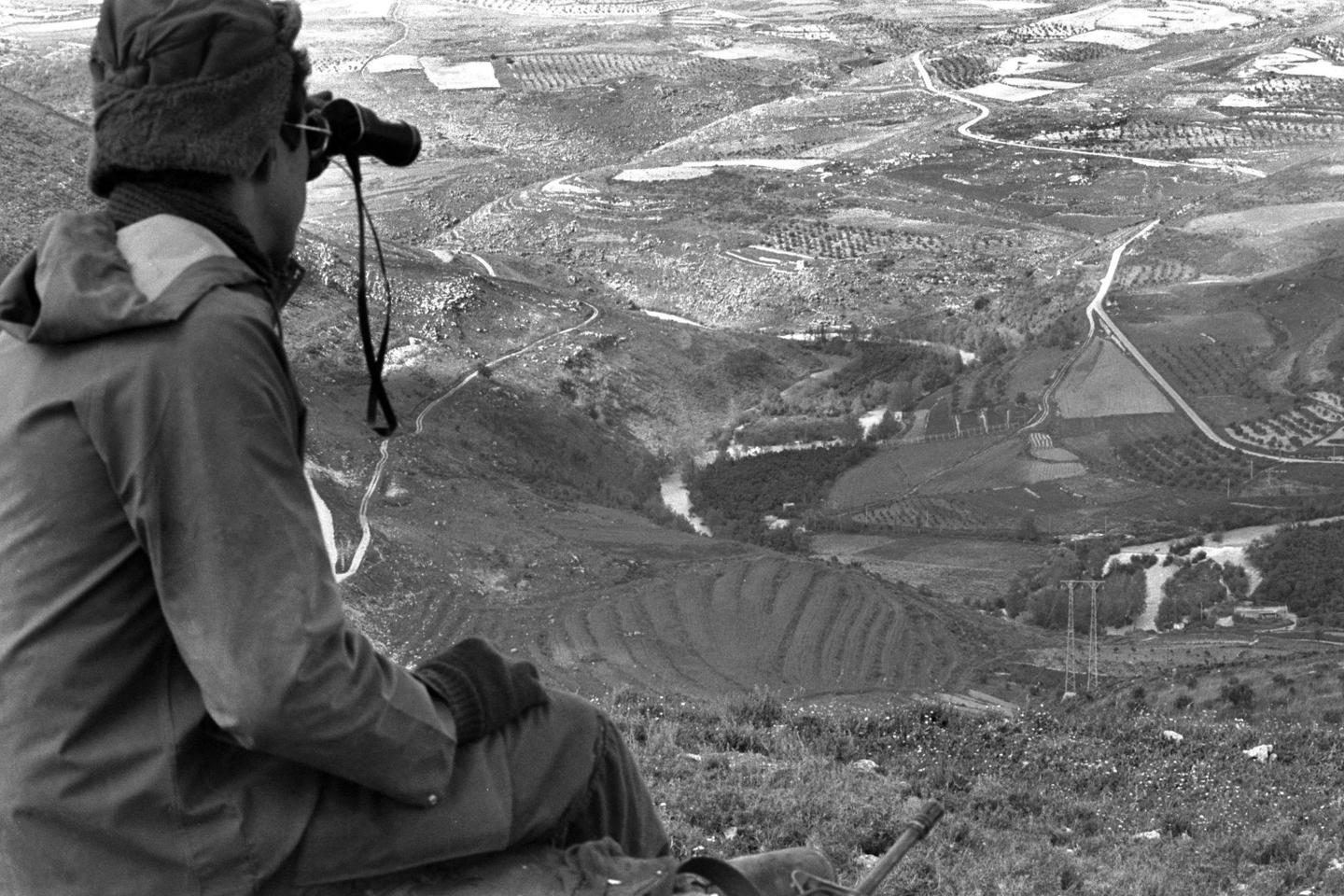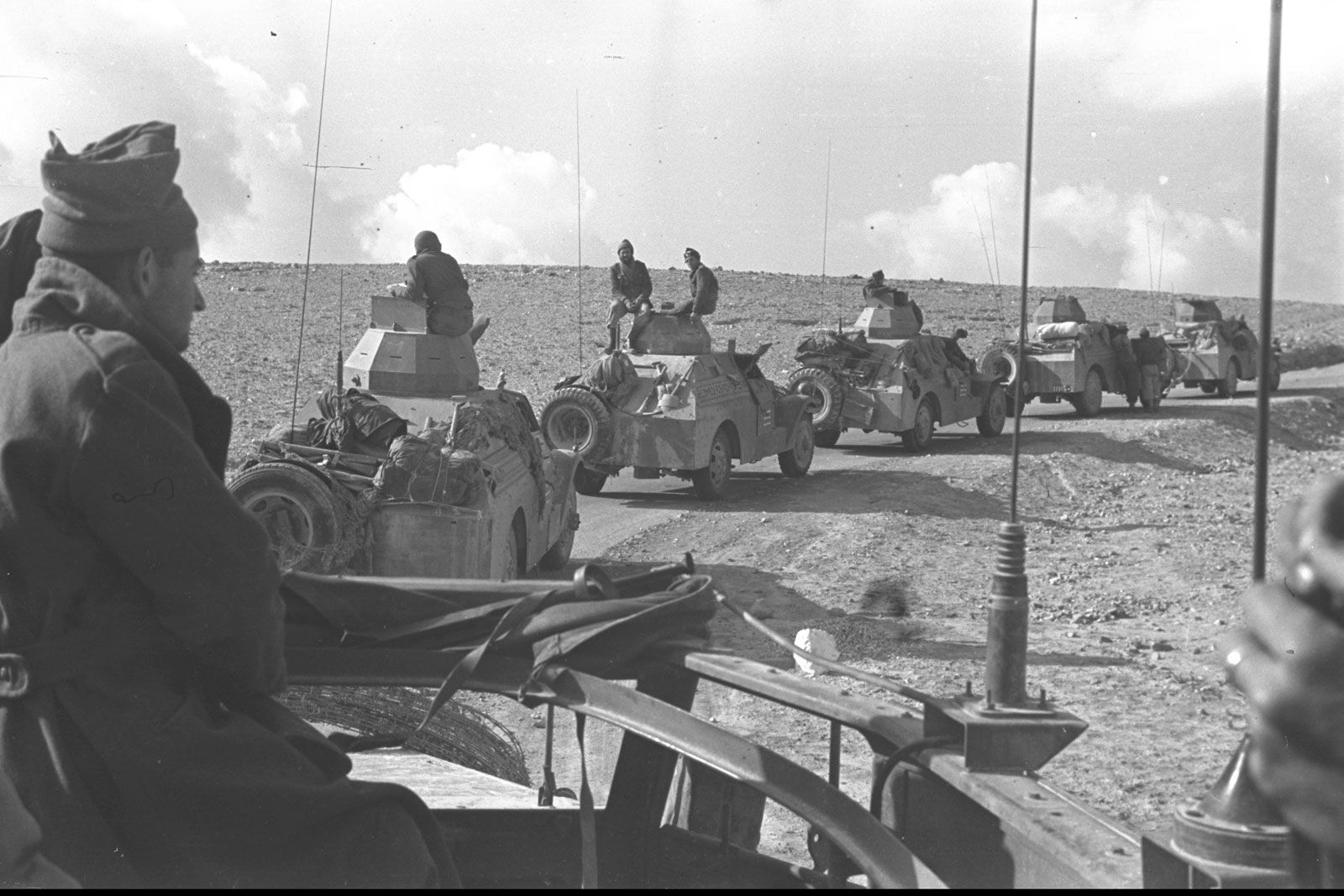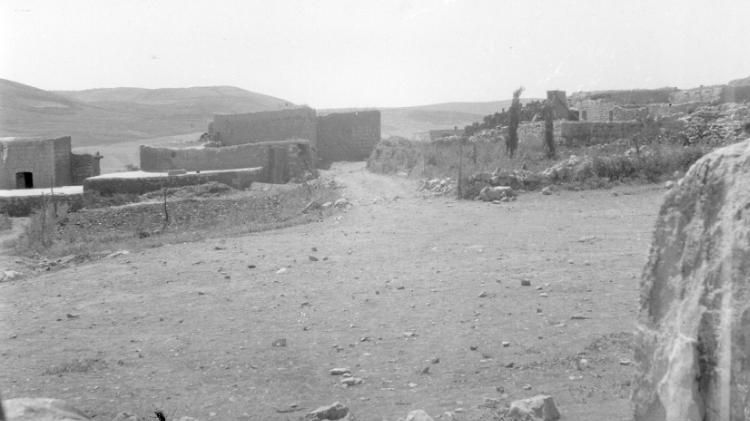
في عام 1947، لم يشهد لبنان أي مواجهات عسكرية مباشرة مع إسرائيل، إلا أنّ سكان الجنوب كانوا يتلقّون أخبارًا متواترة عن المعارك وعمليات التهجير التي كانت تجري في فلسطين والقدس على يد العصابات الصهيونية.
أثارت هذه الأخبار شعورًا متزايدًا بالخطر لدى أهالي الجنوب، الذين لم يعوّلوا على الدولة نتيجة تجارب سابقة اعتبروها غير ناجحة. وعلى هذا الأساس، بدأوا ببيع ما يملكونه من ممتلكات، كالأبقار والمواشي والأثاث المنزلي، بهدف شراء السلاح للدفاع عن أرضهم. ومن أبرز هؤلاء كان شخص يُدعى موسى المواسي، الذي باع سبعة دنمات من أرضه ليتمكّن من شراء بندقية واحدة.
مع تصاعد التوتر، شرع الأهالي في التحضير للدفاع عن مناطقهم. وفي تلك الأثناء، انتشرت معلومات تفيد بأن الجيش اللبناني، الذي كان يعاني من ضعف في العدد والعتاد، فتح باب التطوّع أمام المدنيين. فتقدّم عدد كبير من أبناء الجنوب والبقاع للانضمام إلى سرية عسكرية بقيادة الضابط محمد زغيب، الذي بلغ عدد أفراد سريته نحو 70 مقاتلًا. وقد لُقّب زغيب بـ"المعلبكي" نسبةً إلى منطقة بعلبك، وتحديدًا إلى بلدة يونين. وكان من بين المتطوعين أيضًا معروف سعد، والد النائب أسامة سعد.
لم يكن لدى هؤلاء المقاتلين أي خبرة قتالية تُذكر، غير أنّهم امتلكوا دافعًا قويًا يتمثّل في الدفاع عن أرضهم.
مع اقتراب اندلاع الحرب، بدأت العصابات الصهيونية بالتقدّم نحو القرى الحدودية بهدف احتلالها. وعلى إثر ذلك، انتقل محمد زغيب مع جنوده إلى قرية المالكية الواقعة في جنوب لبنان على الحدود مع فلسطين.
في ليلة 15 أيار 1948، شنّ نحو 800 مقاتل من العصابات الصهيونية، التابعة لتنظيم "الهاغانا"، هجومًا واسعًا على البلدة، مدعومين بالطيران الحربي والمدفعية. وقد جاءت هذه العملية ضمن خطة عسكرية عُرفت باسم "عملية يفتاح"، التي هدفت إلى السيطرة على منطقة الجليل.
اشتعلت المعارك في المالكية وسط تفوّق واضح للقوات المهاجمة من حيث العدد والتسليح. وتمكّن المهاجمون من التوغّل في أطراف القرية، ما دفع المقاتلين اللبنانيين إلى التراجع نحو الداخل، لتتحوّل المواجهة إلى معركة استنزاف للعدو. ورغم الضغوط، نجحت السرية في إيقاف تقدّم القوات المعادية، وتمكّنت من إلحاق خسائر كبيرة بها، قُدّرت بنحو 70 قتيلًا، انتشرت جثثهم في أرض المعركة.
في اليوم التالي، فرضت القوات المعادية حصارًا على البلدة، وأُصيب معظم عناصر السرية اللبنانية. وبقي محمد زغيب في الخطوط الأمامية حتى تعرّض لإصابة في صدره، نُقل على إثرها إلى المستشفى.
وعقب هذه المواجهات، تمكّنت السرية اللبنانية، بالتعاون مع وحدات من الجيش، من طرد القوات المهاجمة من المالكية. وقد أثار هذا التقدّم قلق القيادات الصهيونية، التي بدأت تستعد للانسحاب خشيةً من هجوم لبناني–عربي أوسع قد يؤدي إلى استعادة المناطق التي كانت قد احتلّتها.
إلا أنّ تدخّل الدولة اللبنانية، ممثّلًا بقيادة الجيش آنذاك برئاسة فؤاد شهاب، غيّر مجرى الأحداث. إذ صدر قرار بوقف القتال، ومنع المقاتلين من ملاحقة القوات المعادية أو محاولة تحرير أي جزء من الأراضي المحتلة، وهو قرار شكّل صدمة لدى المقاتلين.
استفادت القوات المعادية من هذا القرار، فاستعادت زمام المبادرة، وشنّت هجومًا مضادًا تمكّنت خلاله من السيطرة على كامل المنطقة، بما في ذلك قرية المالكية، التي لا تزال خارج السيطرة اللبنانية حتى اليوم.
وبعد أيام قليلة، استشهد النقيب محمد زغيب متأثرًا بجراحه في مستشفى صور.
وقد ورد في تقرير القيادة العسكرية آنذاك: "ما حدث في المالكية ليس معركة بل بطولة"، إلا أنّ هذه البطولة لم تحظَ بالاهتمام الكافي، وظلّت حبيسة التقارير، نظرًا لعدم توافقها مع الحسابات السياسية في ذلك الوقت.
منذ ذلك اليوم وُلدت حقيقة أن الدفاع عن الوطن لا يكمن بالجيش وحده، ولا بشعب وحده، ولا ببندقية واحدة، بل بالثلاثة معًا.. الجيش والشعب والمقاومة، ومنذ تلك اللحظة بدأ خذلان السلطة لشعبها يتكرر يومًا بعد يوم، خاصة عندما كان الجنوب بحاجة إلى المساعدة، وكالعادة تنسحب الطبقة السياسية ويبقى أصحاب الأرض يدافعون عنها
للمعرفة أكثر - For more details
https://www.instagram.com/reel/DXEw6XWjc62/?igsh=ZzI2NGhrbH
In 1947, Lebanon did not witness any direct military confrontations with Israel, but the people of the south were receiving continuous news about battles and displacement operations taking place in Palestine and Jerusalem at the hands of Zionist militias.
These reports raised a growing sense of danger among the people of the south, who did not rely on the state due to previous experiences they considered unsuccessful. Based on that, they began selling what they owned, such as cows, livestock, and household furniture, in order to buy weapons to defend their land. One of the most notable among them was a man named Moussa Al Mawasi, who sold seven dunams of his land to be able to purchase a single rifle.
As tensions escalated, the residents began preparing to defend their areas. At that time, information spread that the Lebanese army, which was suffering from a lack of manpower and equipment, had opened recruitment to civilians. A large number of people from the south and the Bekaa volunteered to join a military company led by officer Mohammad Zgheib, whose unit consisted of around 70 fighters. Zgheib was nicknamed Al Baalbeki, in reference to the Baalbek region, specifically the town of Younine. Among the volunteers was also Maarouf Saad, father of MP Osama Saad.
These fighters had little to no combat experience, but they possessed a strong motivation centered on defending their land.
As the war approached, Zionist militias began advancing toward border villages with the aim of occupying them. In response, Mohammad Zgheib and his soldiers moved to the village of al-Malkiya in southern Lebanon, located on the border with Palestine.
On the night of May 15, 1948, around 800 fighters from Zionist militias belonging to the Haganah launched a large-scale attack on the town, supported by warplanes and artillery. This operation came as part of a military plan known as Operation Yiftach, which aimed to take control of the Galilee region.
Fighting erupted in al-Malkiya amid a clear superiority of the attacking forces in terms of numbers and equipment. The attackers managed to advance into the outskirts of the village, forcing the Lebanese fighters to retreat inward, turning the confrontation into a war of attrition against the enemy. Despite the pressure, the company succeeded in halting the enemy’s advance and inflicted heavy losses on them, estimated at around 70 dead, whose bodies were scattered across the battlefield.
The following day, enemy forces imposed a siege on the town, and most members of the Lebanese unit were injured. Mohammad Zgheib remained on the front lines until he was wounded in the chest, after which he was transferred to the hospital.
Following these confrontations, the Lebanese unit, in cooperation with army forces, succeeded in expelling the attacking forces from al-Malkiya. This progress caused concern among Zionist leadership, which began preparing to withdraw for fear of a broader Lebanese-Arab attack that could lead to the recapture of the areas they had occupied.
However, the intervention of the Lebanese state, represented by the army command at the time under Fouad Chehab, changed the course of events. A decision was issued to stop the fighting and prevent the fighters from pursuing the enemy forces or attempting to liberate any part of the occupied territories, a decision that shocked the fighters.
The enemy forces took advantage of this decision, regained the initiative, and launched a counterattack through which they managed to take control of the entire area, including the village of al-Malkiya, which remains outside Lebanese control to this day.
A few days later, Captain Mohammad Zgheib was martyred from his wounds at the Tyre hospital.
It was stated in a military command report at the time: what happened in al-Malkiya was not a battle but a heroism, yet this heroism did not receive sufficient attention and remained confined to reports, as it did not align with the political calculations of that time.
From that day, a reality was born that defending the homeland does not lie in the army alone, nor in the people alone, nor in a single rifle, but in all three together... the army, the people, and the resistance, and from that moment, the abandonment of the authority toward its people began to repeat day after day, especially when the south was in need of support, and as usual, the political class withdraws while the people of the land remain to defend it