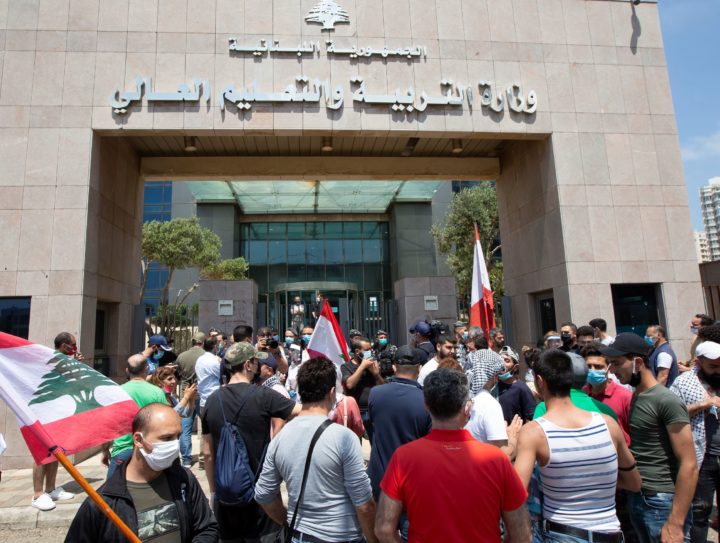
أثار التعميم الصادر عن وزيرة التربية موجة اعتراض واسعة في الأوساط التربوية، بعدما اعتُبر تقييدًا مباشرًا لحرية التعبير السياسي التي يكفلها الدستور اللبناني. فالأساتذة، الذين يُفترض أن يساهموا في تنمية التفكير النقدي لدى الطلاب، وجدوا أنفسهم أمام قرار يطرح تساؤلات حول حدود دورهم كمواطنين داخل الفضاء العام.
حرية التعبير أم ضبط العمل التربوي؟
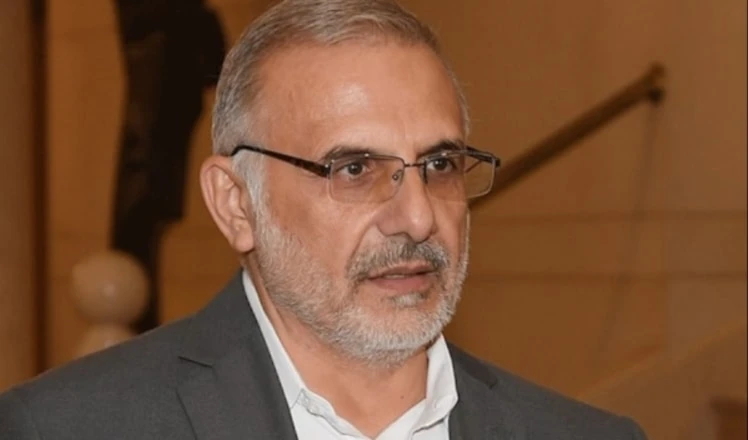
في هذا السياق، أكدت رئيسة رابطة الأساتذة المتعاقدين في التعليم الأساسي الرسمي، نسرين شاهين، أن حرية التعبير ليست موضع نقاش، بل حق دستوري واضح، مشددة على أن الرأي السياسي لا يمكن تجريمه. واعتبرت أن الإشكالية لا تكمن في آراء الأساتذة، بل في تسييس القطاع التربوي نفسه، من خلال إشراك جهات حزبية في صياغة السياسات والمناهج، وفرض مظاهر سياسية داخل المدارس الرسمية.
اختلالات داخل المدارس الرسمية
لفتت شاهين إلى أن بعض المدارس تشهد ممارسات مرتبطة بانتماءات مديريها السياسية، نتيجة تعيينات جاءت ضمن تسويات، ما انعكس على البيئة التربوية. كما انتقدت التفاوت في تطبيق البرامج التعليمية خلال الحرب، معتبرة أن الطلاب يعيشون واقعين مختلفين تمامًا، في ظل غياب تكافؤ الفرص بين المناطق.
ضغوط معيشية وغياب المحاسبة
على المستوى المعيشي، شددت شاهين على أن أوضاع الأساتذة، خصوصًا المتعاقدين، لم تعد تحتمل، إذ لا يتجاوز بدل الساعة 8 دولارات، في حين تصل كلفة صفيحة البنزين إلى نحو 27 دولارًا. كما أشارت إلى انتشار خطاب مسيء وتنمّر على منصات مرتبطة بالقطاع التربوي، من دون أي محاسبة، نتيجة الحماية السياسية.
من المستهدف فعليًا؟
تساءلت شاهين عن الهدف الفعلي من التعميم، معتبرة أنه يطال الأساتذة غير المحميين سياسيًا، أي أولئك الذين يعبّرون عن آرائهم بشكل مستقل. وأكدت أن المشكلة ليست في أن يتكلم الأستاذ، بل في أن يُجبر على الصمت، معتبرة أن غياب صوت النخب التربوية يشكل خللًا بحد ذاته.
إشكالية قانونية وحدود التطبيق
أوضحت شاهين أن التعميم يطبَّق على الأساتذة الملاك فقط، استنادًا إلى المادة 15 من نظام الموظفين، ولا يشمل المتعاقدين لعدم خضوعهم للإطار نفسه. لكنها شددت على أن الاعتراض لا يتعلق بالفئات، بل بمبدأ عام يتمثل في حماية حرية التعبير.
بين الدستور والتعميم
ختمت شاهين بالتأكيد أن المادة 13 من الدستور تكفل حرية الرأي ضمن حدود القانون، ما يفرض التمييز بين تنظيم هذا الحق ومنع ممارسته. ورأت أن أي تعميم لا يوضح هذا الفرق بوضوح، يفتح الباب أمام تقييد الحريات تحت عناوين إدارية، وهو ما يرفضه الجسم التربوي.
The circular issued by the Minister of Education sparked widespread اعتراض in educational circles, as it was seen as a direct restriction on political freedom of expression guaranteed by the Lebanese constitution. Teachers, who are supposed to contribute to developing critical thinking among students, found themselves facing a decision that raises questions about the limits of their role as citizens in the public sphere.
Freedom of expression or regulating educational work?
In this context, the head of the League of Contracted Teachers in Public Primary Education, Nesrine Chahine, affirmed that freedom of expression is not up for debate, but a clear constitutional right, stressing that political opinion cannot be criminalized. She considered that the problem does not lie in teachers’ views, but in the politicization of the educational sector itself, through the involvement of partisan entities in shaping policies and curricula, and imposing political manifestations داخل public schools.
Imbalances within public schools
Chahine pointed out that some schools are witnessing practices linked to the political affiliations of their principals, as a result of appointments that came through settlements, which reflected on the educational environment. She also criticized the disparity in the implementation of educational programs during the war, considering that students are living two completely different realities, in light of the absence of equal opportunities between regions.
Living pressures and absence of accountability
On the living level, Chahine stressed that the conditions of teachers, especially contracted ones, are no longer sustainable, as the hourly wage does not exceed 8 dollars, while the cost of a tank of fuel reaches about 27 dollars. She also pointed to the spread of offensive discourse and bullying on platforms linked to the educational sector, without any accountability, due to political protection.
Who is actually targeted?
Chahine questioned the real objective of the circular, considering that it targets teachers who are not politically protected, that is, those who express their opinions independently. She stressed that the problem is not that a teacher speaks, but that they are forced into silence, considering that the absence of the voice of the educational elite constitutes a flaw in itself.
Legal issue and limits of application
Chahine explained that the circular applies only to tenured teachers, based on Article 15 of the civil service regulations, and does not include contracted teachers as they are not subject to the same framework. However, she stressed that the objection is not about categories, but about a general principle represented in protecting freedom of expression.
Between the constitution and the circular
Chahine concluded by affirming that Article 13 of the constitution guarantees freedom of opinion within the limits of the law, which requires distinguishing between regulating this right and preventing its exercise. She considered that any circular that does not clearly clarify this difference opens the door to restricting freedoms under administrative titles, which is rejected by the educational body