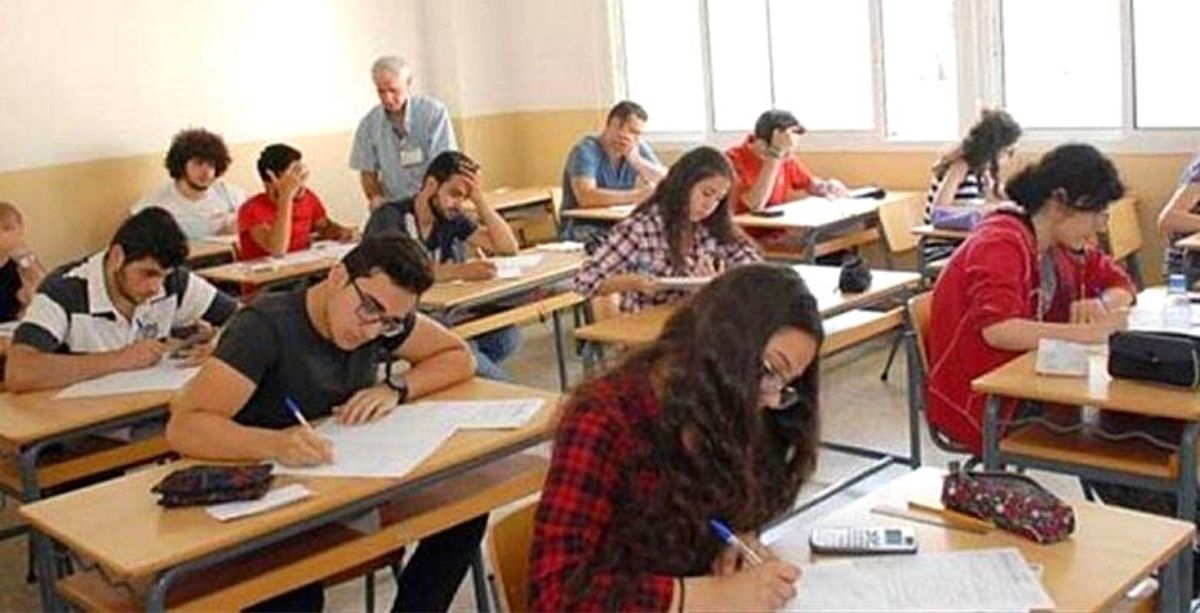
يتجه المعترضون على إجراء الامتحانات الرسمية هذا العام إلى تصعيد تحركهم القانوني، مع التحضير لتقديم مراجعة أمام مجلس شورى الدولة لإبطال مرسوم الامتحانات الرسمية لعام 2026، بحجة مخالفته مبدأ المساواة بين التلامذة وعدم مراعاته للظروف الاستثنائية التي يعيشها لبنان.
وكشف المحامي حسن عادل بزي أن المراجعة المرتقبة تستند إلى جملة من الأسباب القانونية والإنسانية، أبرزها التفاوت الكبير في ظروف الطلاب نتيجة النزوح والحرب، إضافة إلى الظروف نفسها التي استندت إليها مؤسسات الدولة سابقاً لتبرير تأجيل استحقاقات أخرى.
وأشار بزي إلى أن جميع الوزراء وافقوا على المرسوم وفق معلومات نقلها عن مصدر نيابي، لافتاً إلى أنه جرى أيضاً التقدم بمراجعة أمام قضاء العجلة تتعلق بسلامة القرار في ظل الأوضاع الأمنية والإنسانية الراهنة.
ويرى المعترضون أن آلاف الطلاب يواجهون ظروفاً استثنائية تجعل إجراء الامتحانات أمراً بالغ الصعوبة، سواء بسبب النزوح أو فقدان المنازل أو الأوضاع الاقتصادية المتدهورة. كما يطرحون تساؤلات حول قدرة الطلاب على التحضير للامتحانات في مراكز الإيواء والخيم، أو تحمّل تكاليف التنقل اليومية إلى مراكز الامتحانات في ظل الأزمة المعيشية.
وتشمل الاعتراضات أيضاً المخاوف الأمنية المرتبطة باستمرار الغارات والتهديدات، إضافة إلى الانعكاسات النفسية على الطلاب الذين فقد بعضهم أفراداً من عائلاتهم أو تعرّضوا لتجارب قاسية خلال الحرب.
ويؤكد أصحاب المبادرة أن تحركهم يهدف إلى حماية حق الطلاب في تعليم عادل وظروف امتحانية متكافئة، معتبرين أن الواقع الحالي لا يسمح بإجراء امتحانات رسمية تراعي مبدأ المساواة بين جميع التلامذة.
Opponents of holding official examinations this year are preparing to escalate their legal campaign by filing a challenge before Lebanon’s State Council (Shura Council) seeking the annulment of the 2026 official examinations decree, arguing that it violates the principle of equality among students and fails to take into account the exceptional circumstances currently facing the country.
Lawyer Hassan Adel Bazi revealed that the anticipated legal challenge is based on a range of legal and humanitarian arguments, most notably the significant disparities in students’ circumstances resulting from displacement and war, as well as the same exceptional conditions that state institutions previously cited to justify postponing other official obligations.
Bazi stated that all ministers approved the decree, according to information he received from a parliamentary source, adding that an urgent judicial review has also been submitted regarding the validity of the decision in light of the current security and humanitarian conditions.
Opponents argue that thousands of students are facing extraordinary circumstances that make sitting for examinations extremely difficult, whether due to displacement, the loss of homes, or worsening economic conditions. They also question how students are expected to prepare for exams while living in shelters or tents, or afford daily transportation costs to examination centers amid the ongoing economic crisis.
The objections also include security concerns linked to continued airstrikes and threats, as well as the psychological impact on students, some of whom have lost family members or experienced severe hardships during the war.
Those behind the initiative stress that their campaign aims to protect students’ right to fair education and equal examination conditions, maintaining that the current reality does not allow for official exams that uphold the principle of equality among all students.