لا يعكس الاتفاق على الهدنة المؤقتة لمدة عشرة أيام، تسوية بقدر ما يعبّر عن تقاطع ضغوط إقليمية مع وقائع ميدانية فرضتها المقاومة بالقوة. بينما يُصر العدو الإسرائيلي على توظيف الهدنة كمنصّة لاستكمال أهداف الحرب بوسائل أخرى، يجد لبنان نفسه أمام استحقاقٍ معقّد: إدارة هدنة ملتبسة، اختلال واضح في موازين التفاوض، ومقاومة تؤكد وضع اليد على الزناد ورفض العودة إلى ما قبل 2 آذار.
لكن أكثر ما لفت الانتباه أمس، هو الكلام الذي قاله الرئيس الأميركي دونالد ترامب الذي قال إنّ «إسرائيل لن تعود إلى قصف لبنان».
ومع ذلك يبدو أن الضغوط الأميركية لم تعد وحدها من يتحكم بعقل أهل السلطة، ذلك أن الاندفاعة نحو التطبيع مع العدو، لم تعد تسريبات، بل ظهرت واضحة في الكلام الذي أطلقه الرئيس جوزيف عون أمس، وسط معطيات «مقلقة» مصدرها الفريق الداعم لعون في الولايات المتحدة والذي يتحدث عن «لقاء أكيد مع رئيس وزراء إسرائيل بنيامين نتنياهو».
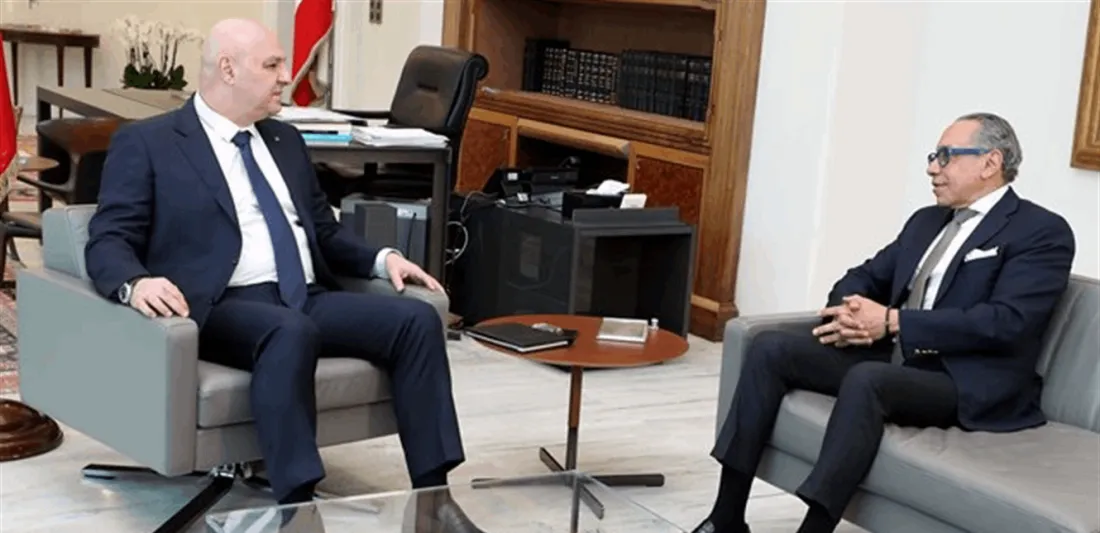
رسمياً، حرص المقربون من الرئيس على تسريب أخبار حول أنه لم يحسم قراره بعد وأنه لا يزال يدرس تداعيات أي اجتماع مع الإسرائيليين على الداخل اللبناني، لكنه مهّد لخطواته المستقبلية، في كلمة له مساء أمس، لم يشر فيها أبداً إلى المقاومين الذين استشهدوا في مواجهة الاحتلال، لكنه واصل المكابرة بإعلانه إنّ وقفٍ إطلاقِ النار «كان ثمرةَ جهود كل من استضاف أو احتضن أخيه في الوطن.
وهو ثمرةُ جهودٍ جبارة، بذلها كلُ المسؤولين اللبنانيين، مع كل أشقائنا وأصدقاء لبنان في العالم». لكنه توجه بالشكر إلى «الرئيس الأميركي الصديق دونالد ترامب، وصولاً إلى الأشقاء العرب جميعاً، وفي مقدّمهم المملكة العربية السعودية». مكرراً معزوفة «أننا استعدْنا لبنانَ وقرارَ لبنان، للمرةِ الأولى منذ نحوِ نصفِ قرن. فنحن اليوم نفاوضُ عن أنفسِنا، ونقرّرُ عن أنفسِنا».
القاهرة تستغرب المقاربة الرئاسية لملف المفاوضات مع إسرائيل
اليوم الأول لوقف إطلاق النار، قدّم مشهداً طاغياً بالفرح، مع اندفاع مئات الآلاف من النازحين إلى بيوتهم في الضاحية والجنوب والبقاع. وقد أدى الجيش دوراً أساسياً في تسهيل العودة، وشكل فتح ممرات بديلة عن المعابر المدمرة، وبينما كان الأهالي يشقّون طريقهم إلى بلداتهم المدمّرة، قال ترامب إن «الولايات المتّحدة تحظر على إسرائيل قصف لبنان، ويكفي تعني يكفي»، فيما انشغل العدو في رسم ملامح مرحلة مختلفة، تُبقي فيها على حضورها العسكري وترسل إشارات واضحة بأن وقف إطلاق النار لا يعني تراجعاً أو انسحابا.
وقال رئيس حكومة العدو بنيامين نتنياهو أن هناك «فرصة لحلٍّ سياسي، وأن مهمة إسرائيل في لبنان لم تنتهِ بعد». وتزامن ذلك مع ما نقلته مصادر أمنية إسرائيلية عن تثبيت خط فصل في جنوب لبنان بعمق عدّة كيلومترات. هذا الخط، الذي يُقدَّم بصفة تقنيّة، يحمل في جوهره ملامح منطقة عازلة تُدار أمنياً وعسكرياً، مع احتفاظ إسرائيل بحق مواصلة ما تسمّيه «عمليات التطهير»!
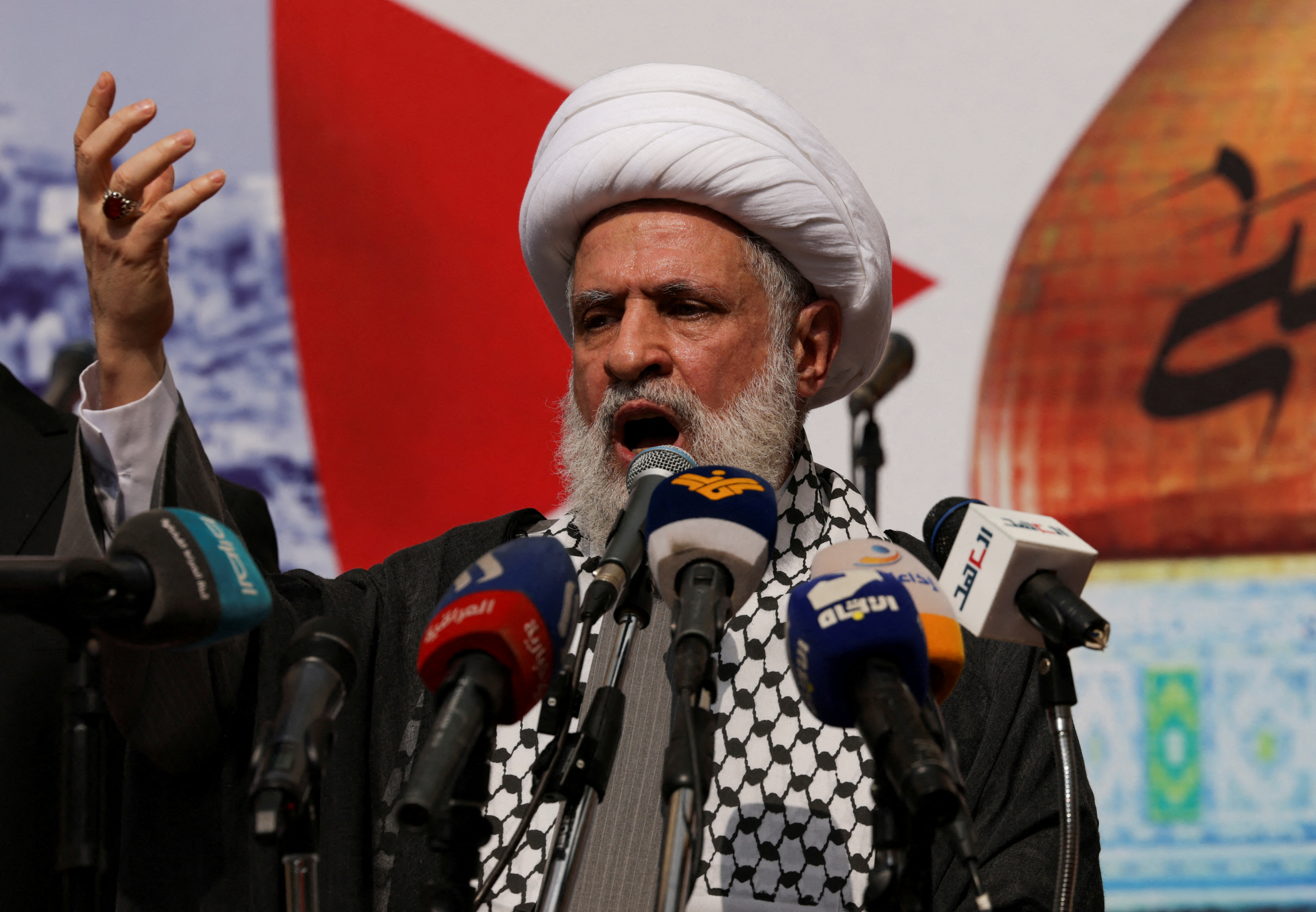
وبينما تتوجه الأنظار إلى المسار التفاوضي الذي ينطلق من أرضية غير متكافئة. سجل حزب الله موقفاً سياسياً تصعيدياً، وقال في بيان لكتلته النيابية إن «السلطة أدخلت لبنان في مرحلة جديدة شديدة الخطورة على وجوده وعلى وحدة أراضيه وسلامة شعبه وتماسكه الداخليّ ووحدته الوطنية»، متهماً إياها بـ«الخضوع للإملاءات الأميركية والذهاب إلى خيار التفاوض المباشر مع العدوّ الصهيوني، خلافاً للإرادة الوطنية».
تحذير مصري: أوقفوا التنازلات
في هذه الأثناء، يبدو أن القلق من «المغامرات اللبنانية» لا يقف عند المقاومة، وعلمت «الأخبار» من مصادر مصرية رفيعة المستوى أن المسؤولين المصريين أعربوا عن «قلقهم الشديد من التنازلات المجانية التي يقدم عليها لبنان عبر خطوات تصدر عن أعلى مرجعيات رسمية فيه». وقالت المصادر إن الرئيس عبد الفتاح السيسي قرر إيفاد وزير خارجيته بدر عبد العاطي إلى الولايات المتحدة «أملاً في الوصول إلى رؤية متقاربة لا تتضمن مزيداً من التنازلات، مع رغبة واضحة بأن تكون القاهرة في قلب المفاوضات».
وبحسب المصادر فإن القاهرة «فوجئت من الموقف الرسمي في بيروت، وتحديداً موقف رئاسة الجمهورية» وقالت إن مصر «ترى فيه تعقيداً للوضع وليس حلحلة كما يفترض الداعمون لمسار المفاوضات المباشرة، لأنه مسار يحمل مزيداً من التنازلات المجانية، من دون مقابل واضح».
وقالت المصادر إن مصر «تنظر بخطورة إلى أي لقاء يجمع عون ونتنياهو، نظراً لانعكاس ذلك على الوضع الداخلي في لبنان، حيث توجد فئة وزانة من اللبنانيين ترفض مثل هذه الخطوة، علماً أن المفاوضات لن تضمن توقّف الانتهاكات الإسرائيلية بل ستضع فيها تل أبيب مزيداً من الشروط التعجيزية للحصول على امتيازات إضافية».
وتقول المصادر إن واشنطن «تعتقد أنه بالإمكان الوصول إلى إبرام اتفاقيات سلام بين إسرائيل وسوريا ولبنان على غرار اتفاقية «كامب ديفيد» بين تل أبيب والقاهرة، لكن بشروط مختلفة تسمح بجعل البلدين غير قادرين على الدفاع ومواجهة تل أبيب مستقبلاً». وأضافت أن «هذا التصور تدعمه إسرائيل، وهدفه الأساسي تفريغ الجيشين السوري واللبناني من قدرتهما العسكرية، وإبقاء البلدين مشرّعين أمام العمليات العسكرية والأمنية لإسرائيل، مع ضمان عدم الرّد عليها». وحذرت المصادر من أن «المشروع سيتوج بالطلب إلى الجيش اللبناني مواجهة حزب الله ما يقود إلى كارثة داخلية كبيرة».
وبحسب المصادر فإن القاهرة «سترسل وفوداً إلى لبنان قريباً، ولو أن الخطوة غير مرحب بها أميركياً، لكن القاهرة تشعر بقلق نتيجة تماهي بعض اللبنانيين مع المطالب الأميركية، وأن على الرئيس اللبناني أن يبحث سبل تعزيز الجيش لا الدفع به نحو مواجهات داخلية».
ودعت المصادر المسؤولين في لبنان، إلى «عدم الوقوع في فخ التهويل من أن إسرائيل سوف تفعل في لبنان ما فعتله في غزة، لأن الوضع في لبنان يختلف جذرياً عن غزة، ولن يسمح المجتمع الدولي بحدوث هذا الأمر مع لبنان».
المصدر: الاخبار
The agreement on a temporary ten-day truce does not reflect a settlement as much as it expresses the intersection of regional pressures with field realities imposed by the resistance by force. While the Israeli enemy insists on using the truce as a platform to complete its war objectives by other means, Lebanon finds itself facing a complex challenge: managing an ambiguous truce, a clear imbalance in negotiating power, and a resistance that affirms keeping its finger on the trigger and refusing to return to the pre-March 2 situation.
What drew the most attention yesterday, however, was the statement by US President Donald Trump, who said that Israel will not return to bombing Lebanon. Yet it appears that American pressure alone no longer controls the thinking of those in power, as the push toward normalization with the enemy is no longer mere leaks, but has become evident in remarks made yesterday by President Joseph Aoun, amid concerning indications from the team supporting him in the United States, which speaks of a confirmed meeting with Israeli Prime Minister Benjamin Netanyahu.
Officially, those close to the president were keen to circulate that he has not yet made a final decision and is still studying the implications of any meeting with the Israelis on the Lebanese internal scene, but he paved the way for his future steps in a speech last night in which he did not mention at all the resistance fighters who were martyred in confronting the occupation. Instead, he continued to insist that the ceasefire was the result of the efforts of everyone who hosted or supported their compatriots, describing it as the outcome of tremendous efforts made by all Lebanese officials with all brothers and friends of Lebanon around the world. He also expressed thanks to US President Donald Trump, as well as to Arab brothers, foremost among them Saudi Arabia, repeating the claim that Lebanon and its decision have been restored for the first time in nearly half a century, and that today Lebanon negotiates and decides for itself.
Cairo questions the presidential approach to negotiations with Israel
The first day of the ceasefire presented an overwhelming scene of joy, as hundreds of thousands of displaced people rushed back to their homes in the southern suburbs, the south, and the Bekaa. The army played a key role in facilitating the return by opening alternative routes to replace destroyed crossings. While residents made their way back to their devastated towns, Trump said that the United States is preventing Israel from bombing Lebanon, saying enough means enough, while the enemy focused on shaping a different phase, maintaining its military presence and sending clear signals that a ceasefire does not mean retreat or withdrawal.
Israeli Prime Minister Benjamin Netanyahu said there is an opportunity for a political solution and that Israel’s mission in Lebanon has not yet ended. This coincided with Israeli security sources reporting the establishment of a separation line in southern Lebanon extending several kilometers deep. This line, presented as a technical measure, in reality reflects the features of a buffer zone managed both militarily and security-wise, with Israel retaining the right to continue what it calls cleansing operations.
As attention turns to a negotiating track that begins from an unequal footing, Hezbollah took an escalatory political stance, stating in a statement by its parliamentary bloc that the authority has led Lebanon into a highly dangerous new phase threatening its existence, territorial unity, the safety of its people, its internal cohesion, and national unity, accusing it of yielding to American dictates and moving toward direct negotiations with the Zionist enemy against national will.
Egyptian warning: stop the concessions
At the same time, concern over Lebanese moves does not appear limited to the resistance. According to senior Egyptian sources cited by Al Akhbar, Egyptian officials expressed deep concern over what they described as free concessions Lebanon is making through steps issued by its highest official authorities. The sources said President Abdel Fattah el-Sisi decided to send Foreign Minister Badr Abdel Aati to the United States in hopes of reaching a more balanced vision that does not involve further concessions, with a clear desire for Cairo to be at the center of the negotiations.
According to the sources, Cairo was surprised by the official position in Beirut, particularly that of the presidency, seeing it as complicating the situation rather than resolving it, as supporters of direct negotiations claim, since it entails further concessions without a clear return.
The sources added that Egypt views with concern any meeting between Aoun and Netanyahu, given its potential impact on Lebanon’s internal situation, where a significant segment of the population opposes such a step, noting that negotiations will not guarantee an end to Israeli violations but will instead allow Tel Aviv to impose further difficult conditions to gain additional advantages.
They also said that Washington believes it is possible to reach peace agreements between Israel, Syria, and Lebanon similar to the Camp David agreement, but under different conditions that would leave both countries unable to defend themselves against Israel in the future. This vision, supported by Israel, aims to strip the Syrian and Lebanese armies of their military capabilities, leaving both countries exposed to Israeli military and security operations without response.
The sources warned that the project may ultimately lead to pressure on the Lebanese army to confront Hezbollah, which could result in a major internal catastrophe.
According to the same sources, Cairo will send delegations to Lebanon soon, even if the move is not welcomed by Washington, as Egypt is concerned about some Lebanese aligning with American demands. They stressed that the Lebanese president should focus on strengthening the army rather than pushing it into internal confrontations.
The sources also urged Lebanese officials not to fall into the trap of exaggerating the threat that Israel might do in Lebanon what it did in Gaza, noting that the situation in Lebanon is fundamentally different and that the international community would not allow such a scenario to occur.