في لحظة إقليمية نادرة، حيث تتقاطع المصالح وتُعاد صياغة موازين القوى على مستوى المنطقة، لم يكن ينقص لبنان سوى قرار سياسي يلتقط الفرصة. غير أن ما حصل كان العكس تمامًا: دولة تمتلك أوراق ضغط فعلية، لكنها تختار طوعًا التخلي عنها، وتذهب إلى التفاوض من موقع الضعف، حتى وهي تحت النار.
لم تكن التطورات مجرد تفصيل عابر. إغلاق مضيق هرمز، الشريان الحيوي للطاقة عالميًا، لم يكن حدثًا تقنيًا بل تحوّلًا استراتيجيًا وضع الولايات المتحدة أمام اختبار حقيقي، خصوصًا في ظل الفجوة بين إنتاجها النفطي واستهلاكها، واعتمادها الجزئي على الإمدادات التي تمر عبر هذا الممر. ومع محدودية قدرتها على الصمود لفترة طويلة، كان من الطبيعي أن تتجه نحو تفاهم مع إيران، تفاهم لم يكن لبنان خارجه، بل كان أحد عناوينه المباشرة من خلال بند وقف العدوان عليه.
في تلك اللحظة تحديدًا، لم يكن لبنان خارج اللعبة، بل في قلبها. كان يملك، موضوعيًا، فرصة للانتقال من موقع المتلقي إلى موقع الفاعل، مستفيدًا من تلاقي الضغط الإقليمي مع الواقع الميداني. لكن الدولة اللبنانية قررت، مرة جديدة، أن تتصرف وكأنها غير معنية، أو عاجزة عن ترجمة هذه المعطيات إلى مكاسب سياسية.
تحت عنوان “استقلالية القرار”، تحدث نواف سلام عن أولوية الدبلوماسية، وكأن 15 شهرًا من هذا النهج لم تكن كافية لإثبات فشله. لم تكن المشكلة في المبدأ بحد ذاته، بل في التمسك به كخيار وحيد، حتى في لحظة كانت تفرض مقاربة مختلفة، أكثر توازنًا بين الدبلوماسية وعناصر القوة. إلا أن القرار كان واضحًا: تفادي أي تصعيد، ولو كان ذلك على حساب القدرة على فرض شروط أفضل.
ومع خرق إسرائيل للتفاهم واستئنافها العدوان، عاد المشهد إلى نقطة أكثر حدة، مع إعادة إغلاق مضيق هرمز وعودة الضغط الإقليمي إلى الواجهة. لكن بدل أن يشكّل ذلك فرصة إضافية للبنان، بدا وكأنه عامل لا يعنيه، أو على الأقل لا يستحق أن يُستثمر. هنا تحديدًا، تتجلى المفارقة: كلما ارتفعت كلفة المواجهة على المستوى الإقليمي، انخفض سقف الموقف اللبناني.
لم يكن غياب الفرصة هو المشكلة، بل غياب الإرادة في استغلالها. فالدولة، بدل أن توظّف عناصر القوة المتاحة، من الضغط الإقليمي إلى المعطيات الميدانية، اختارت أن تتصرف كطرف مهزوم سلفًا، يسعى إلى تقليل خسائره لا إلى تحسين موقعه. وهكذا، تحوّل التفاوض من أداة لفرض الشروط إلى وسيلة لتكريس الضعف.
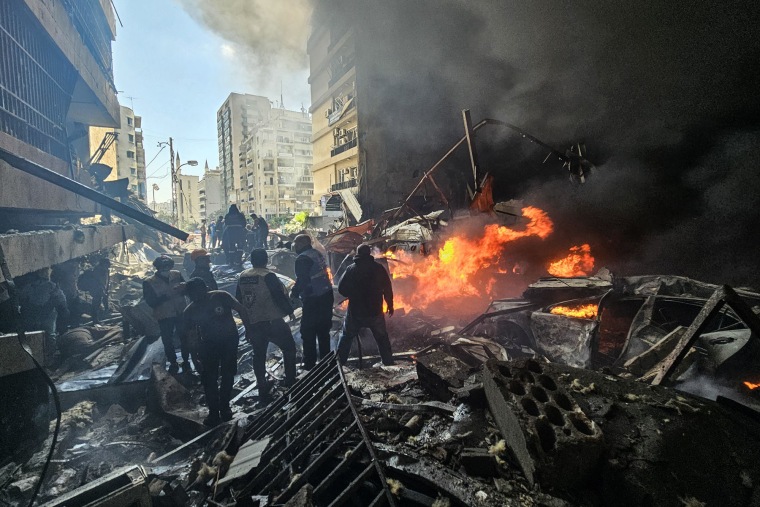
المفارقة الأكثر قسوة لم تكن في المسار السياسي بحد ذاته، بل في توقيته. في الثامن من نيسان، سقط أكثر من 300 لبناني نتيجة العدوان، في لحظة كان يُفترض أن تعيد رسم أولويات الدولة. إلا أن ما تلا ذلك لم يكن سوى مشهد مزدوج: إعلان حداد على الضحايا، مقابل الانخراط في مفاوضات مباشرة مع الجهة نفسها التي قتلتهم. كأن الدم لم يكن عنصر ضغط، بل تفصيلًا يُطوى سريعًا في حسابات التهدئة.
بهذا المعنى، لا يمكن قراءة ما جرى كخطأ عابر أو سوء تقدير، بل كنهج متكامل يقوم على التخلي المسبق عن عناصر القوة، وعلى إدارة الصراع بعقلية الطرف الأضعف، حتى في اللحظات التي يمتلك فيها ما يكفي لتغيير المعادلة. وفي بلد كلبنان، لا يبدو أن المشكلة يومًا كانت في غياب الفرص، بل في قرارات تضيّعها عندما تصبح متاحة.
In a rare regional moment, where interests intersect and the balance of power across the region is being reshaped, Lebanon lacked only a political decision capable of seizing the opportunity. Yet what happened was the exact opposite: a state that possesses real leverage, but willingly chooses to abandon it, heading into negotiations from a position of weakness, even while under fire.
The developments were not merely a passing detail. The closure of the Strait of Hormuz, a vital artery for global energy, was not a technical event but a strategic shift that placed the United States before a real test, especially given the gap between its oil production and consumption, and its partial reliance on supplies passing through this corridor. With its limited ability to endure for long, it was natural for it to move toward an understanding with Iran, an understanding from which Lebanon was not excluded, but rather one of its direct headings through the clause of stopping the aggression against it.
At that precise moment, Lebanon was not outside the game, but at its core. Objectively, it had an opportunity to move from the position of recipient to that of an actor, benefiting from the intersection of regional pressure with the field reality. But the Lebanese state decided, once again, to act as if it were not concerned, or incapable of translating these factors into political gains.
Under the title of independence of decision, Nawaf Salam spoke of the priority of diplomacy, as if 15 months of this approach had not been enough to prove its failure. The problem was not in the principle itself, but in clinging to it as the only option, even at a moment that required a different approach, more balanced between diplomacy and elements of strength. Yet the decision was clear: avoiding any escalation, even if that came at the expense of the ability to impose better terms.
With Israel breaching the understanding and resuming its aggression, the scene returned to a sharper point, with the reclosure of the Strait of Hormuz and the return of regional pressure to the forefront. But instead of constituting an additional opportunity for Lebanon, it seemed like a factor that did not concern it, or at least did not deserve to be invested. Here lies the paradox: the higher the cost of confrontation at the regional level, the lower the ceiling of the Lebanese position.
The absence of opportunity was not the problem, but the absence of will to exploit it. The state, instead of employing the available elements of strength, from regional pressure to field realities, chose to act as a pre-defeated party, seeking to reduce its losses rather than improve its position. Thus, negotiation shifted from a tool to impose conditions into a means of entrenching weakness.
The harshest paradox was not in the political path itself, but in its timing. On April 8, more than 300 Lebanese fell as a result of the aggression, at a moment that was supposed to redraw the state’s priorities. Yet what followed was nothing but a dual scene: declaring mourning for the victims, while engaging in direct negotiations with the same party that killed them. As if blood was not a pressure factor, but a detail quickly folded into calculations of de-escalation.
In this sense, what happened cannot be read as a passing mistake or miscalculation, but as a complete approach based on the prior abandonment of elements of strength, and on managing the conflict with the mentality of the weaker party, even in moments when it possesses enough to change the equation. In a country like Lebanon, the problem has never seemed to be the absence of opportunities, but decisions that waste them when they become available.