يواجه التعليم الرسمي عن بعد تحديات تقنية جدية تهدد استمراريته، في ظل ضعف البنية التحتية الرقمية وعدم قدرة عدد كبير من الأساتذة والتلامذة على استخدام منصة «مايكروسوفت تيمز» المعتمدة رسمياً، نتيجة بطء الإنترنت والضغط على الشبكة.
وأدى هذا الواقع إلى لجوء العديد من المدارس إلى حلول بديلة غير رسمية، أبرزها «واتساب»، إلى جانب «زووم» و«غوغل ميت»، رغم محدوديتها وعدم قدرتها على تأمين التفاعل الكامل أو توثيق الحصص وضمان حقوق الأساتذة، لا سيما المتعاقدين.
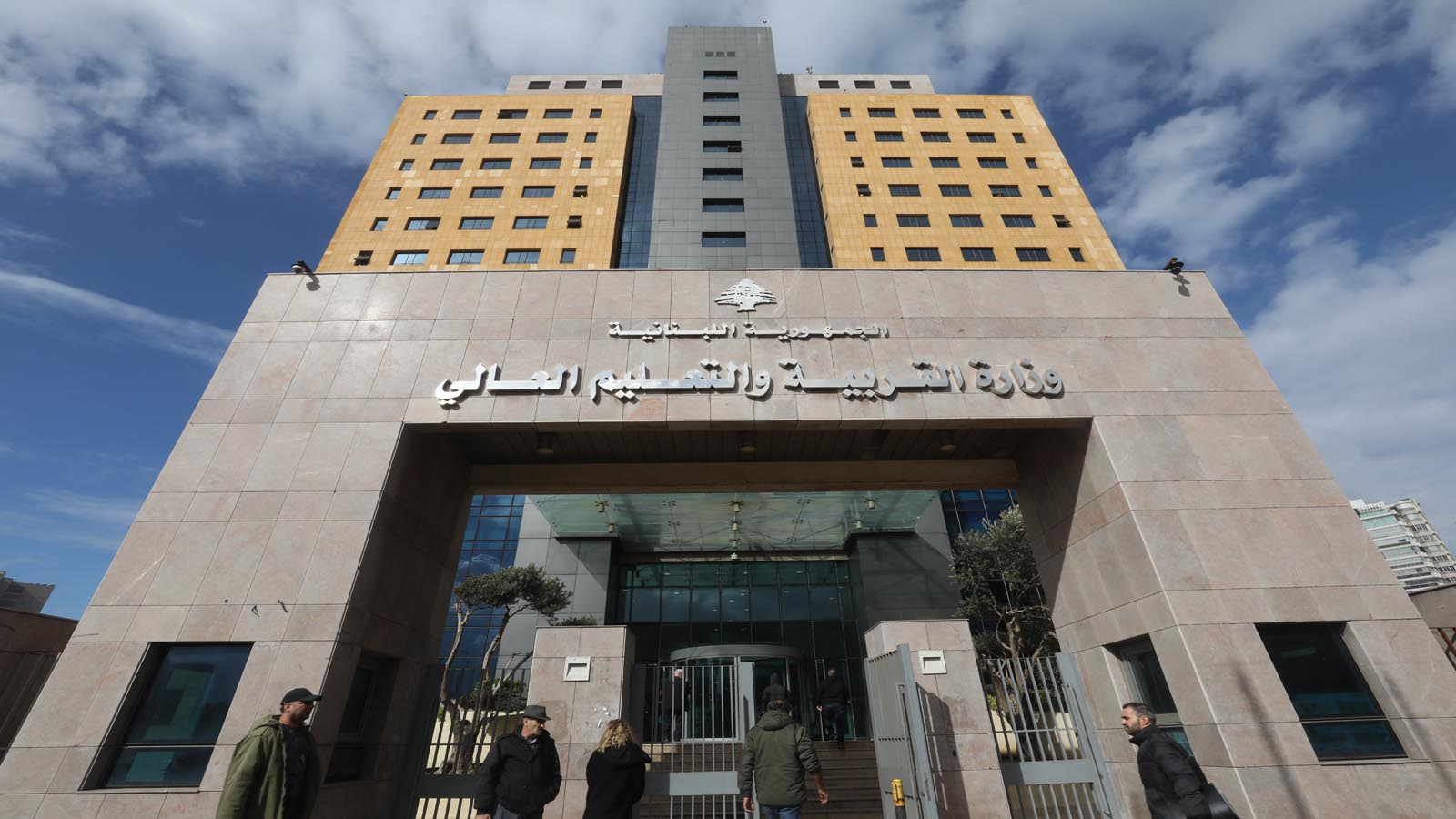
مديرو المدارس انتقدوا فرض استخدام منصة غير متاحة فعلياً، مطالبين بمرونة أكبر في اعتماد أدوات تتناسب مع الواقع التقني، فيما أكدت وزارة التربية أنها تعمل على معالجة العقبات وتوفير تسهيلات، مشيرة إلى اعتماد نهج مرن بالتنسيق مع الإدارات التربوية.
وفي حادثة أثارت تساؤلات، ظهرت اللغة العبرية على المنصة لدى بعض المستخدمين، قبل أن توضح الوزارة أن الأمر ناتج عن خلل تقني تمّت معالجته، نافية أي اختراق أمني.
ويعيد هذا المشهد طرح تساؤلات حول غياب التخطيط المسبق، إذ يرى تربويون أن الاعتماد على الحلول الرقمية لا يزال يتم عند الأزمات فقط، من دون تجهيز البنية التحتية أو تدريب الكوادر مسبقاً.
في المقابل، تعتمد المدارس حالياً نماذج تعليمية مختلفة بين الحضور الجزئي والتعليم عن بعد، وفقاً للوضع الأمني في المناطق.
بتصرّف عن جريدة الأخبار
Public remote education is facing serious technical challenges that threaten its continuity, amid weak digital infrastructure and the inability of many teachers and students to effectively use the officially adopted Microsoft Teams platform, due to slow internet speeds and network congestion.
This situation has led many schools to resort to unofficial alternative solutions, most notably WhatsApp, as well as Zoom and Google Meet, despite their limitations and inability to provide full interaction, document sessions, or guarantee teachers’ rights—especially for contract-based instructors.
School principals criticized the imposition of a platform that is not practically accessible, calling for greater flexibility in adopting tools suited to the technical reality. Meanwhile, the Ministry of Education stated that it is working to address obstacles and provide facilitation, noting that it is adopting a flexible approach in coordination with educational administrations.
In an incident that raised questions, Hebrew appeared on the platform for some users. The ministry later clarified that this was due to a technical glitch that has since been resolved, denying any security breach.
This situation once again raises questions about the lack of prior planning, as educators point out that reliance on digital solutions still occurs only during crises, without prior infrastructure preparation or staff training.
Meanwhile, schools are currently adopting various models, combining partial in-person attendance with remote learning, depending on the security situation in different areas.