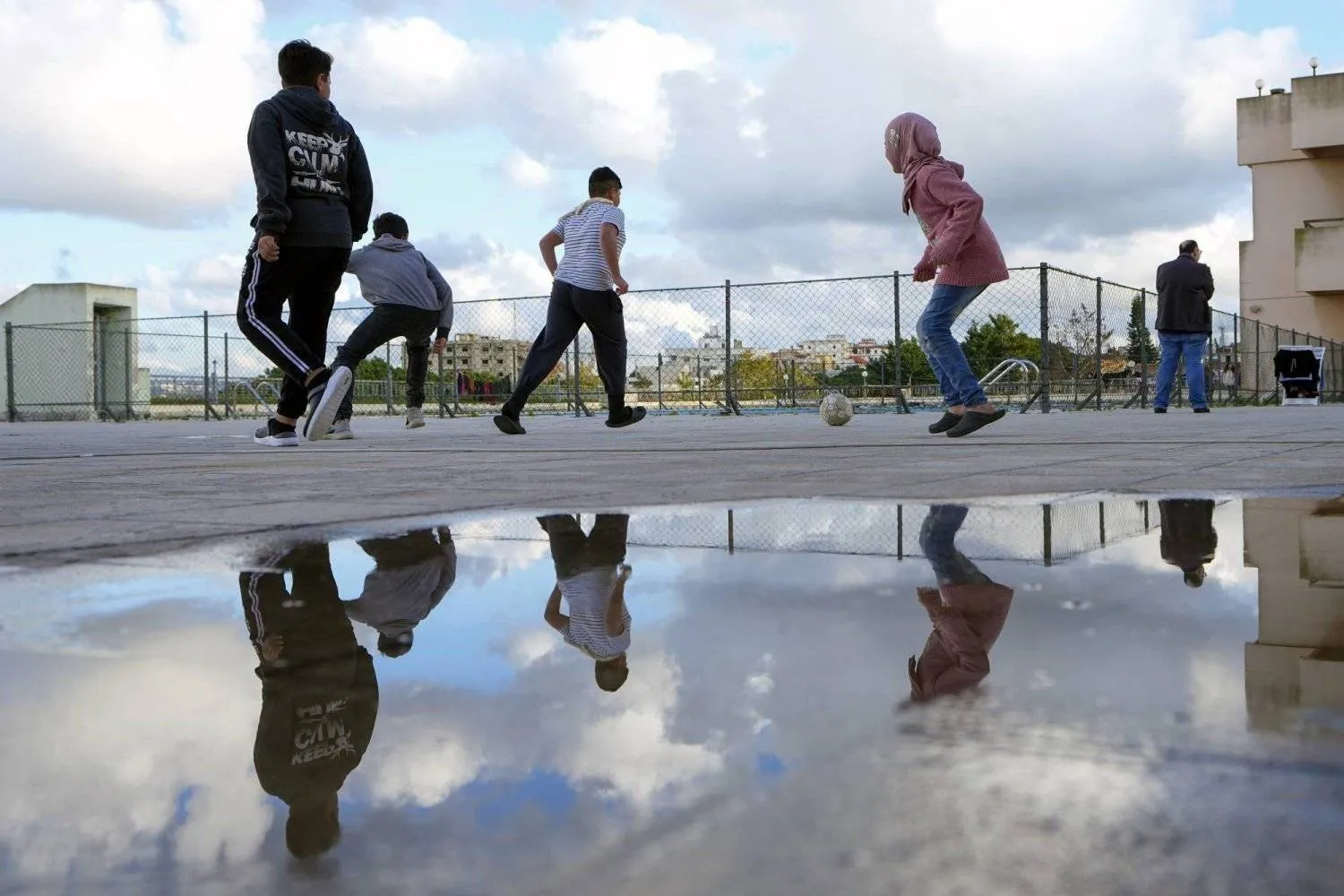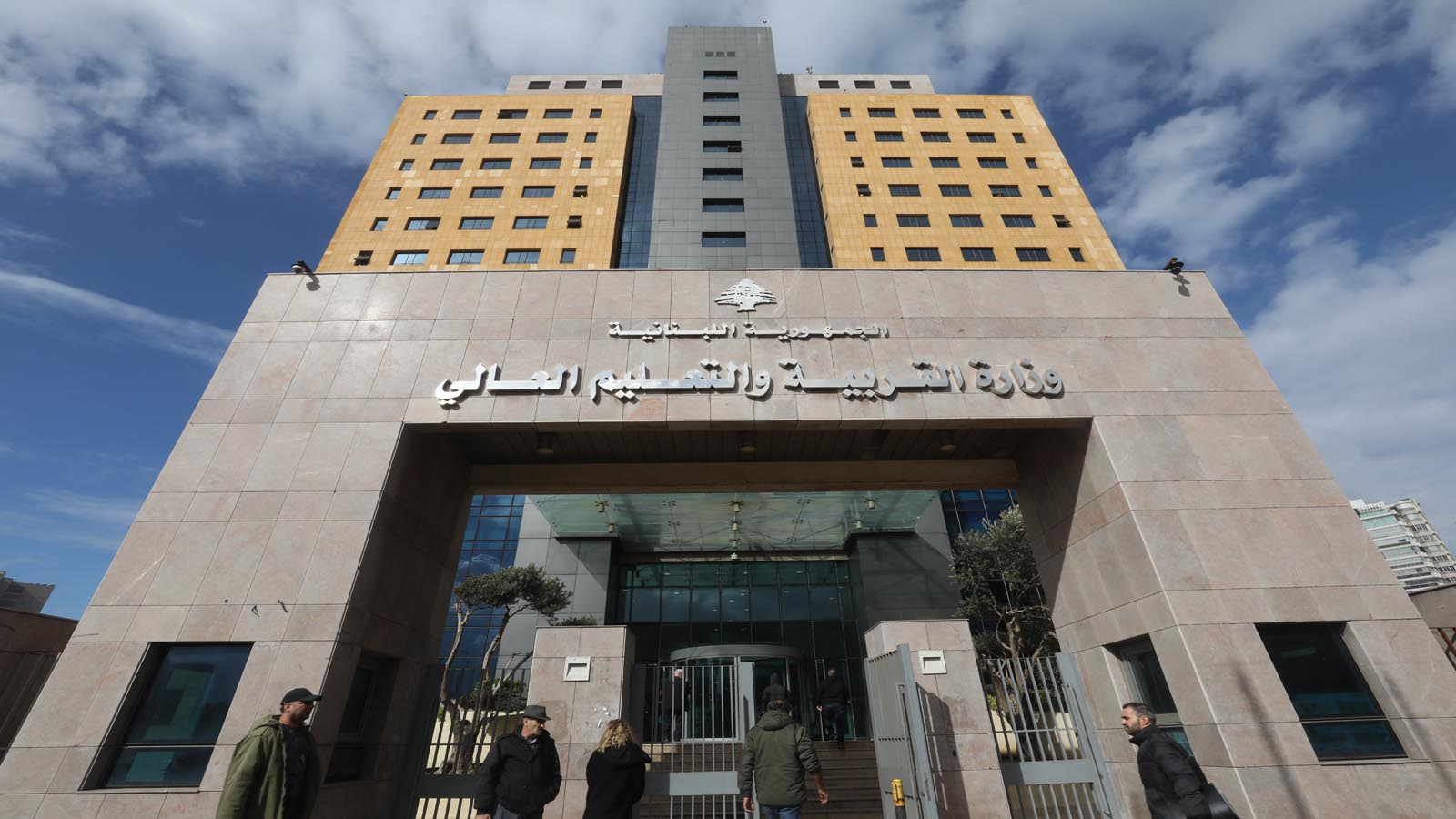
منذ بداية العدوان على لبنان، وجد القطاع التربوي نفسه أمام تحديات استثنائية، من تحويل عدد من المدارس والثانويات الرسمية إلى مراكز إيواء للنازحين، إلى ضرورة تأمين استمرارية التعليم للطلاب في مختلف المناطق. وفي هذا السياق، عرضت وزارة التربية والتعليم العالي واقع العملية التعليمية خلال هذه المرحلة، مشيرة إلى الإجراءات التي اعتمدتها للحد من الخسائر التربوية.
استمرار جزئي وتعطّل في مناطق المواجهة
وأوضحت الوزارة أنها أطلقت ورشة عمل شملت إداراتها والمناطق التربوية ومديري المدارس، بهدف تقليص الفاقد التعليمي، لا سيما في القطاع الرسمي الذي تأثر بشكل كبير. وبحسب المعطيات، تمكن نحو 50% من المدارس والثانويات الرسمية من الاستمرار في التعليم الحضوري ضمن المناطق الآمنة، فيما تم اعتماد التعليم عن بُعد للطلاب الذين تعذّر حضورهم. في المقابل، توقفت نحو 15% من المدارس كليًا نتيجة وقوعها في مناطق متأثرة مباشرة بالحرب.
متابعة فردية للطلاب والمعلمين
وفي موازاة ذلك، أكدت الوزارة أنها تعمل بالتعاون مع إدارات المدارس على متابعة أوضاع الطلاب والمعلمين بشكل فردي، من خلال مسح شامل يهدف إلى تحديد الاحتياجات وتأمين الدعم اللازم، بما يساهم في الحد من الانقطاع التربوي
التعليم عن بُعد والدعم التقني
وضمن خطة استمرارية التعليم، اعتمدت الوزارة التعليم عن بُعد للطلاب النازحين، وكذلك للطلاب الذين تحولت مدارسهم إلى مراكز إيواء، كما فعّلت حسابات الطلاب والأساتذة على منصة Microsoft Teams، وأمّنت باقات إنترنت مجانية لتسهيل استخدامها. كذلك عملت، بالتعاون مع المركز التربوي للبحوث والإنماء، على توفير مواد تعليمية رقمية عبر منصة “مدرستي”، إلى جانب تفعيل خدمة “Call and Learn” التي تتيح التواصل المجاني مع الأساتذة
مراكز دعم لتعزيز العملية التعليمية
وفي إطار تعزيز الدعم، أطلقت الوزارة مراكز دعم التعلّم (Teaching and Learning Hubs) عبر تجمّعات مدرسية ضمن نطاقات جغرافية محددة، بهدف تأمين بيئة تعليمية مناسبة، وتمكين الأساتذة من استخدام الموارد التعليمية وتبادل الخبرات، إضافة إلى إشراك الطلاب في أنشطة تعليمية، خصوصًا ذوي الاحتياجات الخاصة
الامتحانات الرسمية والتنسيق المؤسسي
أما في ما يتعلق بالامتحانات الرسمية، فأكدت الوزارة أنها ستضع الرأي العام في صورة أي قرار يُتخذ استنادًا إلى الواقع التربوي والمعطيات المتوافرة، وبالتعاون مع المؤسسات التعليمية. كما دعت الشركاء المحليين والدوليين، والبلديات، والجمعيات، والناشطين التربويين، إلى التنسيق معها حصراً في أي مبادرة لدعم خطة استمرارية التعلم
توحيد الجهود في ظل الأزمة
وشددت الوزارة على أن توحيد الجهود والتنسيق المؤسسي يشكلان أولوية في هذه المرحلة، بما يضمن خدمة مصلحة الطلاب والحفاظ على استمرارية التعليم، رغم الظروف الصعبة التي يمر بها لبنان
Since the beginning of the aggression on Lebanon, the education sector has found itself facing exceptional challenges, from turning a number of public schools and secondary schools into shelters for the displaced, to the need to ensure continuity of education for students across different regions. In this context, the Ministry of Education and Higher Education presented the reality of the educational process during this phase, pointing to the measures it adopted to limit educational losses.
Partial continuity and disruption in conflict areas
The ministry explained that it launched a workshop involving its departments, educational regions, and school principals, aimed at reducing learning loss, especially in the public sector which was heavily affected. According to the data, about 50% of public schools and secondary schools managed to continue in-person education in safe areas, while distance learning was adopted for students unable to attend. In contrast, about 15% of schools completely stopped due to being located in areas directly affected by the war.
Individual follow-up for students and teachers
At the same time, the ministry confirmed that it is working in cooperation with school administrations to follow up on the conditions of students and teachers individually, through a comprehensive survey aimed at identifying needs and providing the necessary support, contributing to reducing educational disruption.
Distance learning and technical support
As part of the education continuity plan, the ministry adopted distance learning for displaced students, as well as for those whose schools were turned into shelters, and activated student and teacher accounts on the Microsoft Teams platform, while providing free internet packages to facilitate its use. It also worked, in cooperation with the Center for Educational Research and Development, to provide digital educational materials through the Madrasti platform, in addition to activating the Call and Learn service, which allows free communication with teachers.
Support centers to strengthen the educational process
As part of strengthening support, the ministry launched Teaching and Learning Hubs through school clusters within specific geographic areas, aiming to provide a suitable learning environment, enable teachers to use educational resources and exchange expertise, and involve students in educational activities, especially those with special needs.
Official exams and institutional coordination
Regarding official exams, the ministry confirmed that it will keep the public informed of any decision taken based on the educational reality and available data, in cooperation with educational institutions. It also called on local and international partners, municipalities, associations, and educational activists to coordinate exclusively with it on any initiative to support the education continuity plan.
Unifying efforts amid the crisis
The ministry stressed that unifying efforts and institutional coordination are a priority at this stage, ensuring the service of students’ interests and maintaining the continuity of education despite the difficult circumstances Lebanon is going through