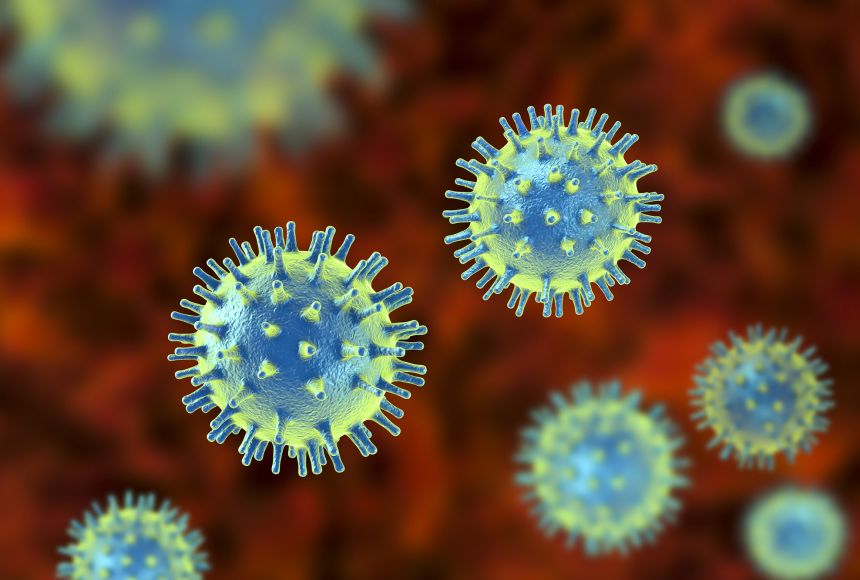
ارتفع عدد الإصابات المؤكدة بفيروس «هانتا» على متن السفينة السياحية «إم في هونديوس» إلى خمس حالات، وفق ما أعلنت منظمة الصحة العالمية، وذلك بعد وفاة زوجين هولنديين وتسجيل وفاة إضافية خلال الرحلة البحرية التي كانت متجهة من أوشوايا في الأرجنتين نحو الرأس الأخضر.
وبدأت الحادثة مع وفاة راكب هولندي من دون معرفة السبب، قبل أن تُصاب زوجته بالأعراض نفسها وتفارق الحياة لاحقاً. وبعد أيام، نُقل راكب بريطاني إلى جنوب أفريقيا لتلقي العلاج، حيث تبيّن أنه مصاب بفيروس «هانتا»، لتبدأ بعدها التحقيقات الطبية مع تسجيل إصابات إضافية بين الركاب وأفراد الطاقم. السفينة التي انطلقت قبل نحو ثلاثة أسابيع كانت تقلّ 149 شخصاً، فيما تستمر الفحوص للكشف عن حالات جديدة محتملة.
ما هو فيروس «هانتا»؟
يوضح اختصاصي الأمراض الجرثومية الدكتور بيار أبي حنا أن فيروس «هانتا» ليس جديداً، بل معروف منذ عقود، وقد سُجّلت إصابات به سابقاً في أوروبا وأفريقيا وأميركا الجنوبية. إلا أنه يُعتبر من الفيروسات النادرة، والخطر الأساسي فيه لا يرتبط بسرعة انتشاره بل بحدة مضاعفاته وارتفاع معدلات الوفيات الناتجة عنه.
وينتقل الفيروس عادة عبر القوارض ومخلّفاتها، غير أن الجهات الصحية تدرس حالياً احتمال وجود سلالة قابلة للانتقال بين البشر، وهو أمر لم يكن شائعاً في الإصابات السابقة.
أعراض قد تصل إلى الرئتين والكلى
تبدأ أعراض الفيروس بحالات عامة تشبه الإنفلونزا، قبل أن تتطور في بعض الحالات إلى مضاعفات خطيرة تصيب الرئتين والكلى. وتشمل الأعراض:
الحمى
التعب والإرهاق
آلام العضلات والمفاصل
الصداع والدوار
التقيؤ والإسهال
آلام المعدة
صعوبات تنفسية مع تطور الحالة
ويشير أبي حنا إلى أن معدل الوفيات قد يصل إلى 40 في المئة، ما يجعل الفيروس خطيراً رغم محدودية انتشاره.
هل يشكّل خطراً على لبنان والمنطقة؟
بحسب أبي حنا، لم تُسجّل أي إصابة بفيروس «هانتا» سابقاً في لبنان أو في دول الشرق الأوسط، إذ تتركّز الحالات المعروفة في مناطق محددة من أوروبا وأفريقيا وأميركا الجنوبية.
كيف يُشخّص وهل له علاج؟
يُشخّص فيروس «هانتا» عبر فحص دم خاص، لكن لا يوجد حتى الآن علاج مباشر له. ويعتمد الأطباء على معالجة الأعراض والمضاعفات، خصوصاً دعم الجهاز التنفسي بالأوكسيجين عند تطور الإصابة إلى مشاكل رئوية حادة.
The number of confirmed Hantavirus cases aboard the cruise ship MV Hondius has risen to five, according to the World Health Organization, following the deaths of a Dutch couple and another fatality during the voyage from Ushuaia in Argentina toward Cape Verde.
The incident began with the death of a Dutch passenger from unknown causes, before his wife developed similar symptoms and later died. Days later, a British passenger was transferred to South Africa for treatment, where doctors confirmed a Hantavirus infection, prompting medical investigations and the detection of additional cases among passengers and crew. The ship, which departed around three weeks ago, was carrying 149 people, while testing continues to identify any further infections.
What is Hantavirus?
Infectious disease specialist Dr. Pierre Abi Hanna explained that Hantavirus is not new and has been known for decades, with previous cases recorded in Europe, Africa, and South America. However, it remains a rare virus, and its main danger lies not in rapid transmission but in the severity of its complications and its high fatality rate.
The virus is usually transmitted through rodents and their waste, though health authorities are currently investigating the possibility of a strain capable of spreading between humans—something uncommon in previous outbreaks.
Symptoms that may affect the lungs and kidneys
Symptoms initially resemble influenza before potentially developing into severe complications affecting the lungs and kidneys. Symptoms include:
Fever
Fatigue and exhaustion
Muscle and joint pain
Headaches and dizziness
Vomiting and diarrhea
Stomach pain
Breathing difficulties as the condition worsens
Abi Hanna noted that the mortality rate can reach up to 40%, making the virus particularly dangerous despite its limited spread.
Does it pose a threat to Lebanon and the region?
According to Abi Hanna, no Hantavirus cases have previously been recorded in Lebanon or the Middle East, with known infections mostly concentrated in parts of Europe, Africa, and South America.
How is it diagnosed and is there treatment?
Hantavirus is diagnosed through a specialized blood test, but there is currently no direct cure. Treatment focuses on managing symptoms and complications, particularly supporting the respiratory system with oxygen if severe lung problems develop.