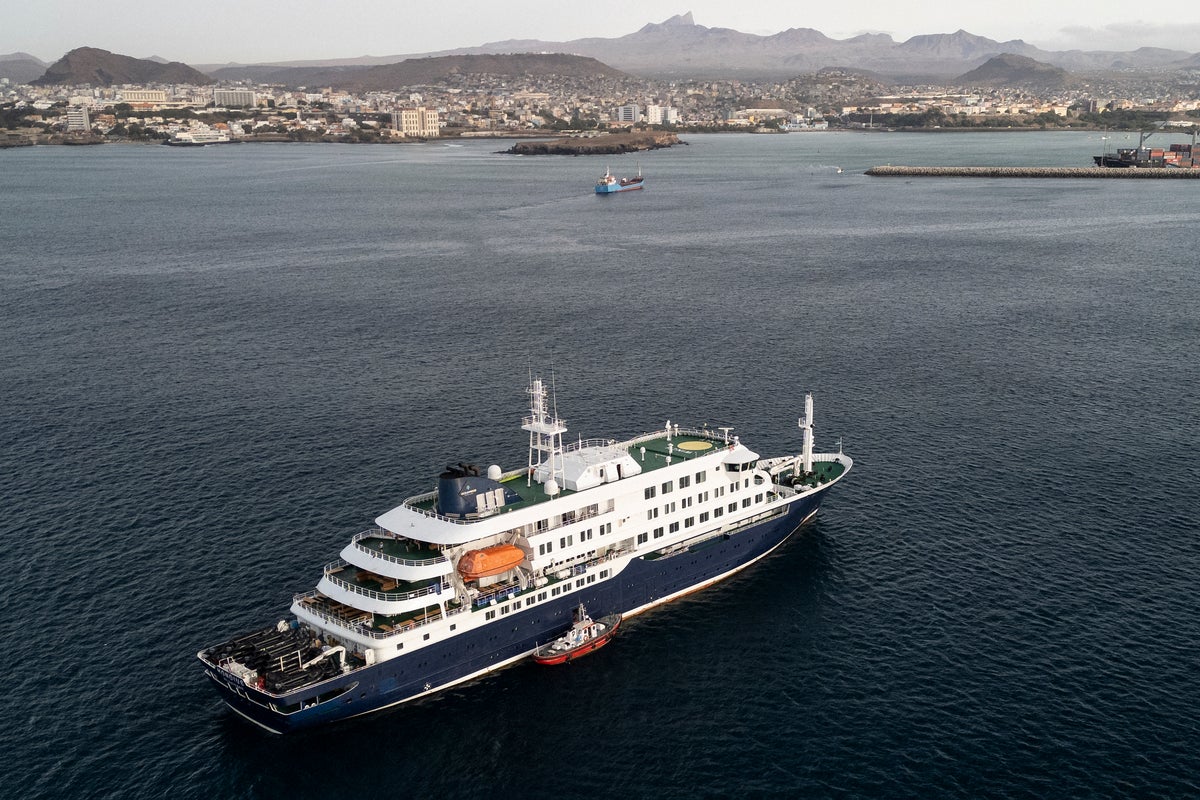
تصاعدت المخاوف الدولية بعد تفشي فيروس «هانتا» النادر على متن سفينة سياحية كانت تبحر في المحيط الأطلسي، في حادثة أسفرت حتى الآن عن وفاة ثلاثة ركاب وإصابة آخرين، وسط استنفار صحي في عدد من الدول لمتابعة المخالطين ومنع انتقال العدوى.
وأعاد المشهد إلى الأذهان البدايات الأولى لجائحة «كوفيد-19»، خصوصاً مع انتقال الركاب بين عدة دول ومغادرتهم السفينة قبل اكتشاف الإصابات بشكل رسمي.
وفي أول تعليق له، قال الرئيس الأميركي دونالد ترامب إنه اطّلع على التقارير المتعلقة بالوضع الصحي على متن السفينة، معرباً عن أمله في أن يكون الوضع «تحت السيطرة». وأضاف خلال تصريحات صحافية: «هناك الكثير من الأشخاص المميزين يدرسون الأمر، ونأمل أن يكون كل شيء على ما يرام». وعندما سُئل عمّا إذا كان الأميركيون يجب أن يقلقوا، أكد أنه لا يعتقد أن الفيروس سيتحوّل إلى تهديد واسع.
وكانت وكالة الأمن الصحي البريطانية قد أعلنت تسجيل إصابات مؤكدة بين مواطنين بريطانيين، إلى جانب الاشتباه بحالة ثالثة مرتبطة بالسفينة السياحية «إن في هونديوس»، التي كانت تقل نحو 147 راكباً وأفراد الطاقم منذ انطلاقها من مدينة أوشوايا في جنوب الأرجنتين مطلع نيسان، قبل توجهها نحو جزر الكناري.
وتكمن المخاوف الأساسية في أن عدداً من الركاب غادروا السفينة قبل رسوها النهائي قرب كاب فيردي، ما دفع سلطات صحية في عدة دول إلى إطلاق عمليات تتبع واسعة للتأكد من عدم انتقال العدوى إلى أشخاص آخرين.
وفي هولندا، أكدت مستشفيات إصابة راكبين تم إجلاؤهما من السفينة، فيما تبين أن الوفيات الثلاث المسجلة تعود لامرأة ألمانية وزوجين هولنديين كانوا قد شاركوا في جولة بأميركا الجنوبية قبل الرحلة البحرية.
في المقابل، حاولت منظمة الصحة العالمية تهدئة المخاوف، مشيرة إلى أن فيروس «هانتا» لا يُصنّف ضمن الأوبئة العالمية، وأنه لا ينتشر بالسرعة نفسها التي انتشر بها فيروس كورونا.
ورغم ذلك، سارعت بريطانيا والولايات المتحدة إلى اعتماد إجراءات صحية احترازية، فيما يواصل خبراء في الأرجنتين التحقيق لمعرفة ما إذا كانت العدوى بدأت هناك قبل انتقالها إلى السفينة.
ويُعتبر فيروس «هانتا» من الأمراض النادرة والخطيرة التي تنتقل عادة عبر القوارض أو إفرازاتها، وقد يؤدي في بعض الحالات إلى مضاعفات تنفسية حادة، وهو ما يفسّر تنامي القلق الدولي رغم محاولات التطمين الرسمية.
International concerns have escalated after the spread of the rare Hantavirus aboard a cruise ship sailing in the Atlantic Ocean, in an incident that has so far resulted in the deaths of three passengers and infections among others, prompting health alerts in several countries to track contacts and prevent further transmission.
The situation has revived memories of the early days of the COVID-19 pandemic, especially as passengers traveled across multiple countries and left the ship before the infections were officially detected.
In his first comment on the matter, US President Donald Trump said he had reviewed reports related to the health situation aboard the ship and expressed hope that the situation was “under control.” Speaking to reporters, he said: “There are many talented people looking into it, and hopefully everything will be fine.” When asked whether Americans should be worried, he stressed that he does not believe the virus will become a widespread threat.
The UK Health Security Agency had earlier confirmed infections among British citizens, along with a suspected third case linked to the cruise ship MV Hondius, which was carrying around 147 passengers and crew members after departing from Ushuaia in southern Argentina in early April before heading toward the Canary Islands.
The main concern lies in the fact that several passengers disembarked before the ship’s final docking near Cape Verde, prompting health authorities in multiple countries to launch extensive contact-tracing operations to ensure the virus had not spread further.
In the Netherlands, hospitals confirmed infections among two passengers evacuated from the ship, while the three recorded deaths were identified as a German woman and a Dutch couple who had participated in a South American tour before the voyage.
Meanwhile, the World Health Organization attempted to ease fears, noting that Hantavirus is not classified as a global pandemic threat and does not spread at the same speed as COVID-19.
Despite this, Britain and the United States quickly implemented precautionary health measures, while experts in Argentina continue investigating whether the outbreak began there before spreading aboard the ship.
Hantavirus is considered a rare but dangerous disease usually transmitted through rodents or their secretions. In some cases, it can lead to severe respiratory complications, which explains the growing international concern despite official reassurances.